Baby Gear Prices Set to Soar as Tariffs Hit: What Parents Need to Know!
2025-04-20
Author: Sophie
A Race Against Time for Expectant Parents
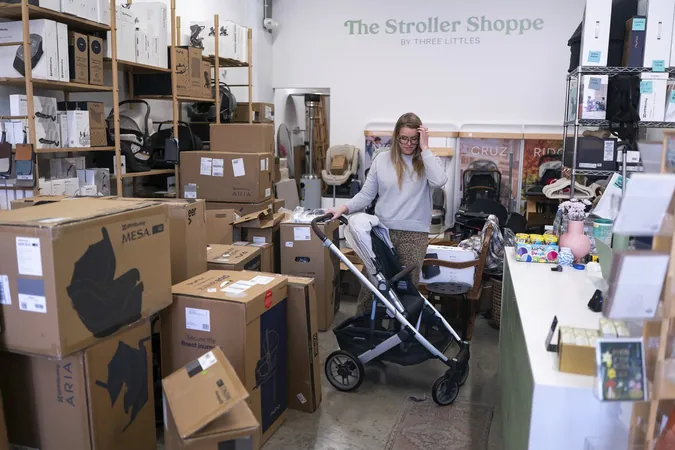
With a baby on the way, Sam Rutledge and his wife thought they had time to get ready for their mid-July arrival. But a shocking tariff announcement from President Trump in early April transformed their leisurely shopping into a desperate dash. In just weeks, they've snapped up two strollers, a car seat, a nursery glider, a crib, and a high chair—all imported and now subject to increased tariffs.
The Price of Parenthood: A Looming Crisis
Raising a child in America has always been a financial strain, averaging around $20,384 in the first year alone, according to Baby Center. As tariffs on imported goods soar—up to 145% for products from China—first-time parents face the prospect of skyrocketing expenses.
The Import Dependency of Baby Products
It’s alarming to note that approximately 90% of essential baby products are manufactured overseas, primarily in Asia and predominantly China. As Lisa Trofe, executive director of the Juvenile Products Manufacturers Association, points out, this reliance on foreign manufacturing has been entrenched in the industry for decades.
Manufacturers Grapple with New Realities
Take Steven Dunn, CEO of Munchkin Inc., who started manufacturing baby bottles in California back in 1991. Today, the majority of their products—60%—are made in China due to skyrocketing domestic production costs. In response to the looming tariffs, Dunn has halted orders from China and is bracing for potential shortages.
Domestic Manufacturing Is Lacking
Dunn recognizes the sparse manufacturing capabilities in the U.S., stating, "There's not enough skilled labor and automation to meet our industry's needs." His attempts to shift some production to Vietnam and Mexico have been hampered by a lack of local manufacturing expertise.
A Cry for Help from the Industry
While some companies remain silent on the tariff issue, the Juvenile Products Manufacturers Association has urged the administration for a tariff exemption, arguing the critical nature of baby products for children’s well-being. However, the White House has yet to respond to these pleas.
Price Transparency Amid Uncertainty
Nurture&, a rising player in baby furniture, is striving to be transparent with customers, alerting them to potential price hikes post-April 30. Chief Merchant Jill Gruys emphasizes that parents should be aware of the financial implications of these essential purchases.
Impact on Families: A Real Concern
Elizabeth Mahon, owner of Three Littles in Washington, fears that escalating costs will prevent families from buying crucial items like car seats. Mahon, who volunteers to teach safe car seat usage, highlights that price increases could deter families from prioritizing safety.
Small Businesses on the Brink
Molly Ging, owner of The Little Seedling in Michigan, expresses concern over managing her inventory amidst rampant price increases. With a staff comprised of mothers, she fears the impact on her team and the ability to meet customer demand for baby products.
Conclusion: The Clock Is Ticking
As tariffs pose an unprecedented challenge to parents and businesses, one thing remains clear: the urgency to purchase baby gear is more pressing than ever. Expectant parents should prepare for a shake-up in the market and consider acting swiftly to secure essential items before prices surge.

 Brasil (PT)
 Canada (EN)
 Chile (ES)
 Česko (CS)
 대한민국 (KO)
 España (ES)
 France (FR)
 Hong Kong (EN)
 Italia (IT)
 日本 (JA)
 Magyarország (HU)
 Norge (NO)
 Polska (PL)
 Schweiz (DE)
 Singapore (EN)
 Sverige (SV)
 Suomi (FI)
 Türkiye (TR)
 الإمارات العربية المتحدة (AR)