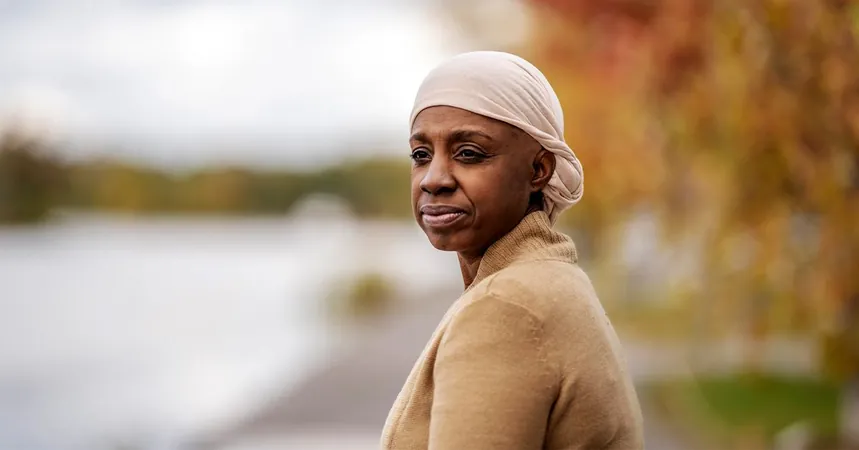
Cancer Rates Shift: Falling Deaths but Rising Diagnoses Among Women
2025-04-24
Author: Charlotte
A Mixed Bag: Cancer Trends in the U.S.
A stunning new report reveals that while cancer-related deaths in the U.S. have continued their downward slope over the last two decades, the number of women diagnosed with cancer is climbing. The findings highlight a troubling contradiction in the fight against cancer.
Disproportionate Impact on Minority Women
Among women facing new cancer diagnoses, members of racial and ethnic minority groups are seeing significantly higher incidences. This highlights a gap that requires urgent attention and action.
Progress in Mortality Rates: What's Driving the Change?
For over 20 years, the decline in cancer death rates has been notable—around 1.7% for men, 1.3% for women, and 1.5% for children yearly from 2018 to 2022. This decline is attributed to improvements in early detection, smoking cessation, and advances in treatment.
The COVID-19 Pandemic's Shadow
However, the COVID-19 pandemic appears to have interrupted these positive trends, leading to missed screenings and delayed diagnoses. This gap could mean more cases are caught at later, more dangerous stages, potentially reversing some of the hard-fought gains.
Rising Obesity and Associated Cancers
Cancers linked to obesity, including breast, uterine, colorectal, pancreatic, kidney, and liver cancers, are on the rise, particularly among women. Experts argue that lifestyle choices play a crucial role in combating these trends.
Call to Action: Addressing Disparities in Cancer Care
Leading oncologists like Jack Jacoub, MD, and Anton Bilchik, MD, PhD, emphasize the importance of access to healthcare and healthy lifestyle choices. They advocate for better screening and education to close the gap in cancer incidences among women, especially those from minority backgrounds.
Tackling the Root Causes
The report points to several factors contributing to the disparities in cancer diagnoses, including access to care, diet, lifestyle habits, socioeconomic status, and even distrust of the medical system. Addressing these issues is crucial in improving outcomes for all patients.
Healthy Living: A Proactive Approach to Cancer Prevention
Experts recommend various lifestyle changes to mitigate cancer risks: a balanced diet rich in fruits and vegetables, maintaining a healthy weight, regular exercise, and avoiding smoking and excessive alcohol consumption. A focus on gut health through a balanced microbiome could also enhance immune function.
Conclusion: A Complex Battle Ahead
As we celebrate declining cancer death rates, the increasing diagnoses among women, particularly those from minority groups, remind us that the battle against cancer is far from over. Continued efforts toward education, access, and preventive care are vital to ensure that everyone has a fair shot at a healthy life.



 Brasil (PT)
 Canada (EN)
 Chile (ES)
 Česko (CS)
 대한민국 (KO)
 España (ES)
 France (FR)
 Hong Kong (EN)
 Italia (IT)
 日本 (JA)
 Magyarország (HU)
 Norge (NO)
 Polska (PL)
 Schweiz (DE)
 Singapore (EN)
 Sverige (SV)
 Suomi (FI)
 Türkiye (TR)
 الإمارات العربية المتحدة (AR)