Hope and Healing: How Montreal Supports Migrants Living with HIV
2025-04-19
Author: Charlotte
A New Beginning in Montreal
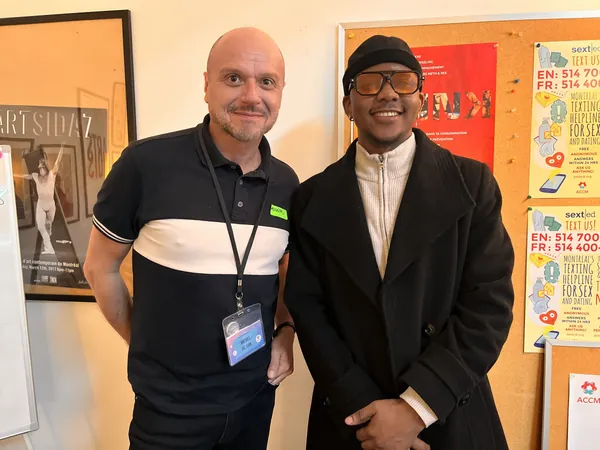
In a softly lit room at Montreal's sole English-language HIV/AIDS care center, Colombian migrant Ferney Mendoza engages in a workshop alongside other newcomers. As part of a vital three-month program aimed at supporting those living with HIV, these workshops not only cover healthcare needs but also essential life skills such as understanding tax regulations in Canada.
Montreal’s AIDS Community Care Center (ACCM) proudly hosts the "New Horizons" series, initially designed for Spanish-speaking immigrants, but now accommodating a diverse range of backgrounds to meet the growing needs of Canada's immigrant population.
Rising HIV Cases Among Newcomers
Statistics from 2022 reveal a startling increase in HIV diagnoses among migrants, with over 2,000 new cases and a staggering 145% surge compared to the previous year. In Quebec alone, new HIV infections rose by over 75%, primarily attributed to the rising number of newcomers.
Navigating Multiple Challenges
Mendoza and his family fled Colombia in 2021, seeking refuge from threats related to their transgender son and Mendoza's HIV status. For them, healthcare is just one piece of the puzzle. Support for social and cultural integration is equally critical.
"Human beings embody emotions, family ties, and financial responsibilities," Mendoza notes, recognizing the holistic approach of ACCM. Many migrants discover their HIV-positive status through mandatory medical screenings for work visas, adding another dimension of complexity to their integration.
Building Community and Understanding
Through the New Horizons program, newcomers find a sense of belonging in a time when isolation can weigh heavily. Regular roundtable discussions allow participants to share experiences and foster connections, combating the stigma often associated with HIV.
Mendoza recalls the prejudiced attitudes he faced in Colombia, where HIV-positive individuals are often stigmatized and targeted. ACCM has given him the necessary support to overcome these feelings and find solace in his new community.
Breaking Language Barriers
As Montreal's only non-French-speaking HIV/AIDS care center, ACCM's responsibilities extend beyond healthcare—they assist with immigration processes and provide emotional support. Language often creates a barrier, but their dedicated staff helps bridge that gap.
Israel Mohamed Conteh, a journalist from Sierra Leone who sought asylum in Canada, turned to ACCM for guidance after receiving his HIV diagnosis upon arrival. He aims to learn French to enhance his career prospects, reflecting his determination to thrive despite his circumstances.
Challenges in Medical Access
Many newcomers experience delays in securing healthcare, which can greatly affect their treatment procedures. Isabelle Boucoiran, an OB/GYN working with HIV-positive pregnant women, warns that some patients may face month-long waiting periods for specialist consultations.
While medications are available for refugee claimants under health programs, those on work visas may struggle with costs. Boucoiran emphasizes how critical timely access to treatment can be, especially for preventing the transmission of HIV from mother to child.
ACCM: A Lifeline for Migrants
Despite funding cuts to similar programs, ACCM recently received increased support from public health authorities, ensuring the continuation of their essential services until 2027. The organization hopes to expand its food security initiatives and better assist youth migrants.
In the face of evolving challenges, ACCM remains steadfast in its commitment to adapt and respond to the needs of its community. Their ultimate goal? To see members flourish in Canada and declare, "I'm finally here, and I'm thriving!"


 Brasil (PT)
 Canada (EN)
 Chile (ES)
 Česko (CS)
 대한민국 (KO)
 España (ES)
 France (FR)
 Hong Kong (EN)
 Italia (IT)
 日本 (JA)
 Magyarország (HU)
 Norge (NO)
 Polska (PL)
 Schweiz (DE)
 Singapore (EN)
 Sverige (SV)
 Suomi (FI)
 Türkiye (TR)
 الإمارات العربية المتحدة (AR)