Iran's Measles Vaccination Success: Yet, Risks Linger!
2025-04-21
Author: Michael
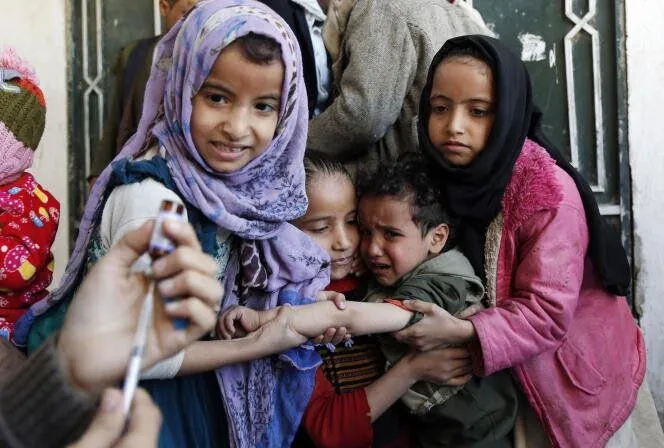
TEHRAN – In a remarkable health achievement, Iran's Deputy Health Minister Alireza Raeisi announced that an impressive 98% of the target population has been vaccinated against measles as part of the national immunization campaign.
Yet, the battle isn't over; between 10,000 to 20,000 children under the age of one still remain unvaccinated. Disturbingly, Raeisi revealed that about 5% of those who do receive the vaccine can still contract measles, highlighting the disease’s persistent threat.
Measles is not just a minor illness— it can lead to severe complications like pneumonia, diarrhea, blindness, and even encephalitis, a dangerous condition that causes brain swelling. Two doses of the vaccine are crucial and are typically given at 12 and 18 months of age.
Iran’s vaccination program against measles began back in 1984, achieving vaccinations for 34% of the population in its first year, and reaching a staggering 90-95% within six years. A monumental nationwide campaign in 2003 vaccinated 33 million people in a bid to eradicate the disease.
In April 2023, the World Health Organization confirmed that both measles and rubella had been eradicated in Iran, a triumph for public health. However, the threat of measles looms large, especially with disrupted vaccination efforts in neighboring countries like Afghanistan and Pakistan posing real risks to Iran's health.
In the past Iranian year that concluded on March 19, health authorities recorded approximately 603 cases of measles, with Iranian nationals accounting for 91% of the afflicted. Regions such as Chabahar, Ahvaz, Hormozgan, and Zahedan were hit hardest, reporting 97, 86, 72, and 68 cases respectively. Tragically, four infants under six died, primarily due to malnutrition or pre-existing health conditions.
Spotting the trend, Raeisi noted that 33% of the cases were infants under the age of one, while children aged between 1 and 4 made up 30% of those infected. The current Iranian year has already seen about 82 confirmed cases.
In a proactive step, Iran welcomed 160 measles antibody kits from the World Health Organization and the European Civil Protection and Humanitarian Aid Operations (ECHO) in May 2024. These kits, intended for the Iranian National Measles Reference Laboratory, aim to enhance the country’s diagnostic capabilities and response to potential outbreaks.
Syed Jaffar Hussain, the WHO Representative in Iran, emphasized, "Providing measles antibody kits to our reference laboratory is vital in fortifying Iran’s ability to detect and manage measles outbreaks swiftly while ensuring elimination status remains intact."
As a global public health concern, measles demands prompt and precise diagnosis for effective outbreak control. Recent data has shown that over half of the reported cases in Iran involve Afghan refugees, underscoring the interconnectedness of regional health challenges.
In response to the recent measles outbreaks linked to the influx of Afghan refugees, Iran's National Immunization Program is poised to enhance its laboratory capacities and quality control mechanisms in various provinces, ensuring faster diagnosis should cases rise.
Thanks to its quick and decisive initiatives, Iran has managed to keep measles at bay, demonstrating the importance of consistent vaccination efforts while navigating public health complexities.



 Brasil (PT)
 Canada (EN)
 Chile (ES)
 Česko (CS)
 대한민국 (KO)
 España (ES)
 France (FR)
 Hong Kong (EN)
 Italia (IT)
 日本 (JA)
 Magyarország (HU)
 Norge (NO)
 Polska (PL)
 Schweiz (DE)
 Singapore (EN)
 Sverige (SV)
 Suomi (FI)
 Türkiye (TR)
 الإمارات العربية المتحدة (AR)