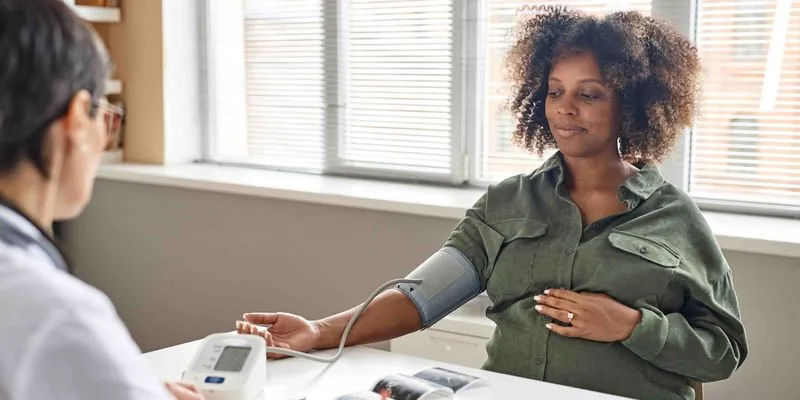
Revolutionary Blood Test Could Predict Pregnancy Complications Early
2025-04-21
Author: Benjamin
Discovering Complications Early: A Game Changer for Expectant Mothers
Pregnancy can be a joyous journey, but lurking beneath the surface are serious complications like preeclampsia and gestational diabetes that can first reveal themselves midway through. As symptoms like high blood pressure and dark urine emerge around 20 weeks, or excessive thirst around 24 weeks, the clock starts ticking on potential health risks for both mother and child. But what if we could foresee these complications before symptoms even show?
According to Surendra Sharma, an obstetrician and molecular biologist, identifying risks earlier could significantly improve outcomes. Presently, blood tests used to diagnose these conditions only kick in after issues arise, often leading to detrimental health effects.
An Innovative Solution: Tracking Placental Extracellular Vesicles
To combat this, a dedicated team of researchers led by Carlos Palma at the University of Queensland has developed a test that leverages placental extracellular vesicles (EVs) — tiny particles released by cells that can provide insights into the health status of both mother and fetus.
By measuring these EVs, Palma's research aims to create a reliable screening tool that can spot women at risk of serious pregnancy complications. This is an exciting advancement that could transform prenatal care.
The Science Behind the Breakthrough
Palma’s team analyzed blood plasma samples from 201 women at the 13-week mark, half of whom experienced normal pregnancies, while the others encountered complications like preeclampsia and gestational diabetes. By isolating EVs from these samples, they focused on biomarkers, specifically placental alkaline phosphatase (PLAP) and cluster of differentiation 9 (CD9), that could predict complications.
Using these biomarkers, researchers developed a unique sensor embedding magnetic beads equipped with PLAP antibodies. By identifying and quantifying these biomarkers in blood samples, they aimed to signal potential risks before any clinical symptoms appear.



 Brasil (PT)
 Canada (EN)
 Chile (ES)
 Česko (CS)
 대한민국 (KO)
 España (ES)
 France (FR)
 Hong Kong (EN)
 Italia (IT)
 日本 (JA)
 Magyarország (HU)
 Norge (NO)
 Polska (PL)
 Schweiz (DE)
 Singapore (EN)
 Sverige (SV)
 Suomi (FI)
 Türkiye (TR)
 الإمارات العربية المتحدة (AR)