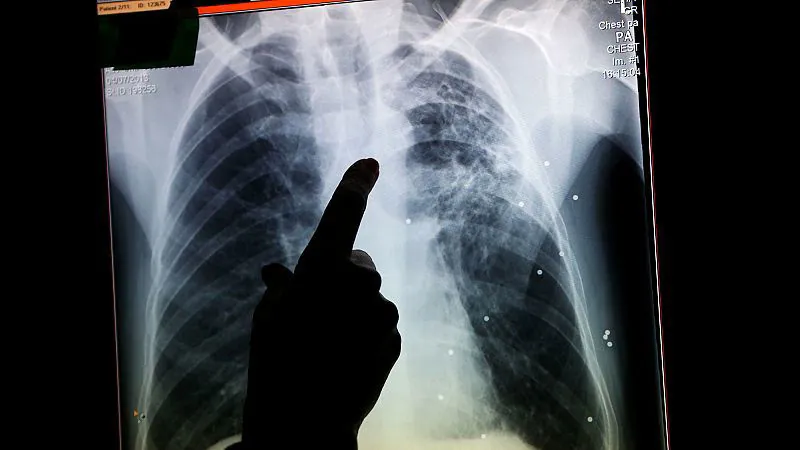
Rising Tuberculosis Rates in the UK: The Shocking Comeback of a Deadly Disease
2025-04-20
Author: Noah
A Terrifying Run in the Desert
When Anja Madhvani decided to run an ultramarathon in the Moroccan desert in 2018, she likely never anticipated the nightmare that awaited her. Already feeling unwell, she found herself battling fever, coughing up blood, and eventually descending into hallucinations in the vast, arid landscape. Upon returning to the UK, doctors initially misdiagnosed her with the flu, but further tests revealed the grim truth: she had tuberculosis (TB).
The Anticipated Resurgence of TB
Often dismissed as a relic of the past, TB remains the deadliest infectious disease on the planet, claiming an estimated 1.25 million lives worldwide in 2023. While it primarily wreaks havoc in Southeast Asia and Africa, the UK is experiencing a troubling resurgence. After a temporary decline during the COVID-19 pandemic, TB cases are now alarmingly on the rise, signaling a looming public health crisis.
Shocking Statistics Reveal an Epidemic
Numbers tell a chilling story: in England alone, reported TB cases surged to 5,480 in just one year—an eye-watering 13% increase from the previous year, marking the largest jump since at least 1971. East London is particularly hard-hit, leading Western Europe in new cases. This increase doesn't just concern immigrants; it's also affecting people born in the UK, who had seen declining rates since 2012.
The Link Between Poverty and TB
Experts point to a disturbing trend: TB is often referred to as a 'social disease,' closely linked to poverty and social deprivation. Dr. Tom Wingfield, an infectious disease specialist, notes that the rise in TB cases serves as a warning signal for broader health issues stemming from socioeconomic struggles.
The Fight Against TB: An Uphill Battle
To tackle this growing epidemic, the UK Health Security Agency (UKHSA) has proposed a new five-year action plan aimed at improving detection and treatment of TB. However, doubts remain about the funding attached to this initiative, which is crucial for raising awareness and ensuring communities at risk can access care.
Addressing the Mental Health Crisis
While efforts to combat TB focus on physical health, there's a pressing need for better mental health support for patients like Madhvani, who feel abandoned once their treatment ends. "Finishing treatment can be terrifying and lonely, with little follow-up care," she emphasizes.
A Glimmer of Hope Amid Challenges
Fortunately, drug-resistant forms of TB are relatively rare in the UK, which means that with early detection and proper treatment, patients typically fare better. Nevertheless, the urgency to find and treat infections early has never been clearer—failure to do so can have devastating consequences, as Madhvani knows all too well.
The Bottom Line: Anyone Can Be Affected
Madhvani’s experience serves as a chilling reminder that TB is not just a concern for the underprivileged; it can affect anyone, irrespective of their background or wealth. With rising rates and social determinants influencing health outcomes, the fight against TB in the UK must prioritize equitable access to healthcare and education.
As the resurgence of this deadly disease unfolds, vigilance, proactive measures, and community engagement will be vital in reversing the tide and ensuring no one else has to endure the harrowing experience that Madhvani faced.



 Brasil (PT)
 Canada (EN)
 Chile (ES)
 Česko (CS)
 대한민국 (KO)
 España (ES)
 France (FR)
 Hong Kong (EN)
 Italia (IT)
 日本 (JA)
 Magyarország (HU)
 Norge (NO)
 Polska (PL)
 Schweiz (DE)
 Singapore (EN)
 Sverige (SV)
 Suomi (FI)
 Türkiye (TR)
 الإمارات العربية المتحدة (AR)