Shock Findings: New Moms Who Start Hormonal Birth Control Face Higher Depression Risks!
2025-04-24
Author: Benjamin
A Startling Link Between Birth Control and Postpartum Depression
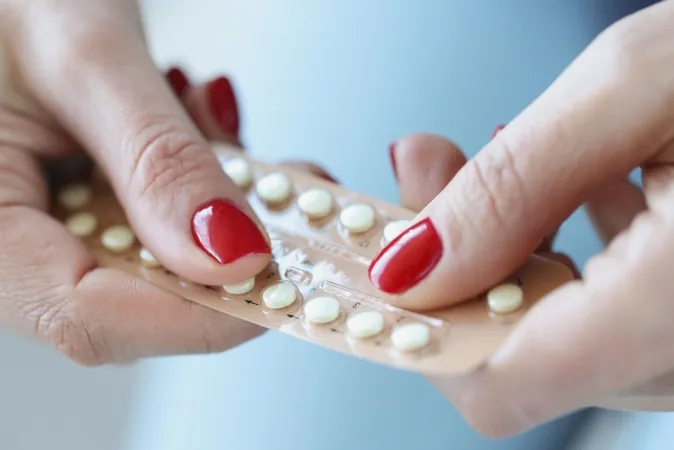
A groundbreaking study published in JAMA Network Open reveals a concerning trend: new mothers who start hormonal contraceptives (HCs) may be at a significantly higher risk of experiencing depression after childbirth. This alarming insight sheds light on various types of HCs, including combined oral contraceptives (COCs), combined nonoral contraceptives (CNOCs), and progestogen-only nonoral contraceptives (PNOCs).
The Stakes Are High: Safety Over Efficacy
With an estimated 248 million women globally using HCs, safety emerges as a crucial factor in contraceptive choice. Each method offers comparable efficacy in preventing unwanted pregnancies, yet side effects can vary widely based on individual medical histories. Previous studies have tied certain HCs to severe health risks, including increased chances of ischemic stroke and even breast cancer in specific gene carriers. Health professionals must tread carefully.
A Closer Look at Postpartum Risks
Despite the known risks associated with HCs, the impact during the postpartum period has remained poorly understood until now. This Danish study utilized vast national health registries to explore how initiating HC after childbirth affects mental health, particularly focusing on first-time mothers.
The Research Breakdown: Who Was Studied?
Involving 610,038 first-time mothers who gave birth between 1997 and 2022, the researchers meticulously controlled for various prior conditions to focus solely on postpartum depression. The women were categorized by the type of HC they initiated within the year following birth. Importantly, women with a history of depression prior to delivery were excluded from this analysis.
Fascinating Findings: The Numbers Speak for Themselves
Among the participants, 40.7% began using HCs within 12 months of giving birth. The study found a striking association between HC use and postpartum depression, indicating nearly a 50% increased risk. Notably, the data suggested that the earlier these mothers began HCs post-delivery, the greater their likelihood of experiencing depression. While progestogen-only pills initially showed a lower risk, this trend reversed later on.
What This Means for New Mothers
The research underscores the necessity for healthcare providers to educate new mothers on the potential mental health implications of starting HCs postpartum. With no discernible age trend in the findings, it becomes clear that the conversation about mental health and contraception must be prioritized.
Conclusion: A Call for Awareness
As more evidence accrues regarding the link between hormonal contraceptives and mental health, it is imperative for clinicians to guide and assist their patients thoughtfully. The message is clear: safety and informed choices about contraception can significantly impact mental well-being during the delicate postpartum period.



 Brasil (PT)
 Canada (EN)
 Chile (ES)
 Česko (CS)
 대한민국 (KO)
 España (ES)
 France (FR)
 Hong Kong (EN)
 Italia (IT)
 日本 (JA)
 Magyarország (HU)
 Norge (NO)
 Polska (PL)
 Schweiz (DE)
 Singapore (EN)
 Sverige (SV)
 Suomi (FI)
 Türkiye (TR)
 الإمارات العربية المتحدة (AR)