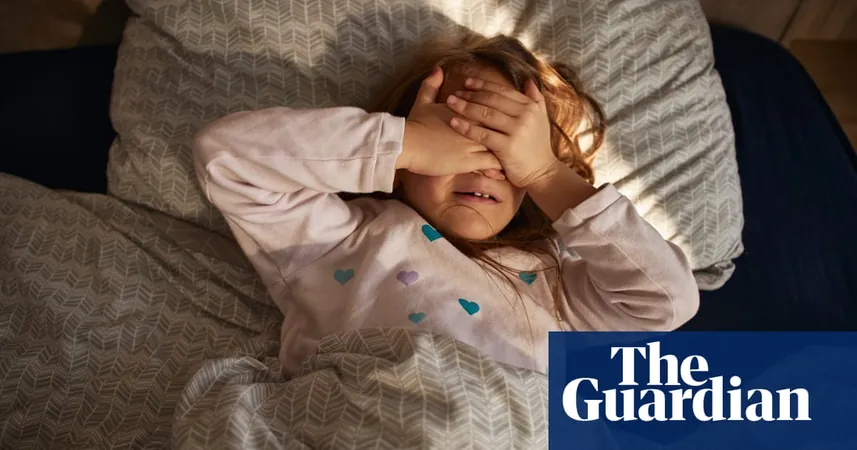
Shocking Findings: Toxic Chemicals Detected in Children’s Mattresses!
2025-04-21
Author: Liam
Hazardous Chemicals Lurking in Your Child's Sleep Environment
New research reveals a disturbing truth: highly toxic phthalates, flame retardants, and UV filters are saturating the air in children's bedrooms, primarily due to off-gassing from their mattresses! This peer-reviewed study focused on the sleeping environments of children under four, uncovering alarmingly high chemical levels near their beds.
What's Really in Those Mattresses?
Researchers tested 16 popular children's mattress brands and found concerning levels of hazardous chemicals in every single one. These semi-volatile compounds can easily escape from materials and into the air, particularly when warmed by a child's body heat during sleep.
The Scary Effects of Exposure
Breathing in or absorbing these toxic substances can have dire health implications, including potential links to cancer, reproductive issues, hormonal disruptions, and even lower IQs in children. One shocking discovery revealed that one mattress contained a staggering 3% flame retardant by weight!
Regulatory Gaps and Industry Practices
While some phthalates are restricted in children's products in the U.S., many others remain unregulated, allowing harmful levels to slip through the cracks. UV filters, used to preserve dye longevity, also carry growing health concerns.
The Case Against Flame Retardants
Despite being used to meet flammability standards, public health advocates argue that flame retardants do more harm than good. They pose serious health risks not only to children but also to firefighters who may encounter these toxins during emergencies.
Buying Tips for Concerned Parents
Crucially, no federal regulations currently exist on flame retardant levels in mattresses in the U.S. or Canada. Many of the toxic mattresses examined are widely sold for under $150, sourced from various countries, including China, Turkey, and Mexico. To safeguard children's health, consider searching for mattresses without flame retardants or explore more natural materials like wool, cotton, or latex—though these options can often come with higher price tags.
Practical Measures You Can Take
If you’ve just purchased a new mattress, airing it outside for a while may help reduce some chemical exposure; however, it may take years for harmful substances like phthalates and flame retardants to dissipate completely. Adding a protective barrier, such as a highly absorbent terry cloth towel, can also mitigate some of the chemical exposure.
Manufacturers Must Take Responsibility
Ultimately, the responsibility lies with mattress manufacturers to eliminate these toxic chemicals, ensuring a safer sleeping environment for our children. According to the study's co-author, environmental chemist Miriam Diamond, "The mattress manufacturers need to be more vigilant." It's high time we demand safer choices for our children’s rest.



 Brasil (PT)
 Canada (EN)
 Chile (ES)
 Česko (CS)
 대한민국 (KO)
 España (ES)
 France (FR)
 Hong Kong (EN)
 Italia (IT)
 日本 (JA)
 Magyarország (HU)
 Norge (NO)
 Polska (PL)
 Schweiz (DE)
 Singapore (EN)
 Sverige (SV)
 Suomi (FI)
 Türkiye (TR)
 الإمارات العربية المتحدة (AR)