Shocking Rise in Colon Cancer Among Young Adults Linked to Gut Bacteria Toxin!
2025-04-25
Author: Benjamin
In a startling trend, colon cancer cases have skyrocketed among individuals under 55, doubling over the last two decades and leaving medical experts puzzled over the causes behind this alarming spike.
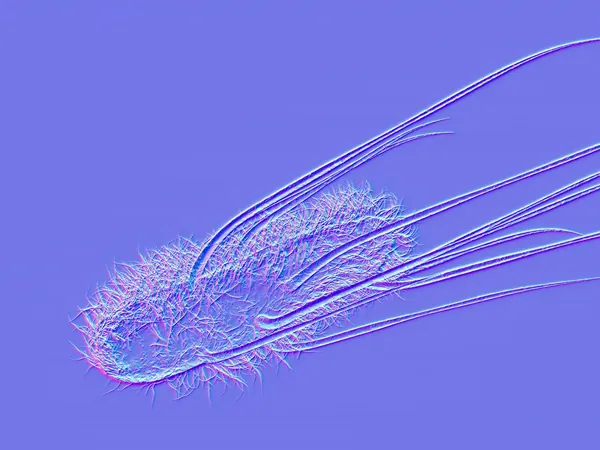
Recent groundbreaking research has pinpointed a potential culprit: colibactin, a potent toxin produced by certain strains of E. coli. This study, conducted by a team at the University of California, San Diego, reveals a significant correlation between this DNA-damaging toxin and early-onset colon cancer in younger patients.
By analyzing tissue samples from nearly 1,000 colorectal cancer patients worldwide, researchers discovered that a majority exhibited mutations indicative of a past encounter with colibactin.
Ludmil Alexandrov, the study’s lead author, referred to colibactin as a "weapon used by bacteria to fend off competitors and protect themselves." Intriguingly, those diagnosed with early-onset colon cancer—especially under the age of 40—were found to be three to five times more likely to possess these mutations compared to older individuals.
The theory posits that in some cases, this bacterial toxin, or "genotoxin," may attack the gut cells, resulting in mutations that heighten the risk of developing colorectal cancer. Shockingly, this exposure appears to occur early in life—researchers estimate during the first decade of existence.
Alexandrov states, "If you acquire that mutation at age 5, you could be 20 to 30 years ahead of the curve in developing colorectal cancer." However, while the study showcases a robust association, it stops short of proving that colibactin is solely responsible for the rise in early-onset cases.
Experts caution against oversimplifying the issue; for instance, Christian Jobin, a microbiome researcher at the University of Florida, contends that colibactin is likely one factor among many that together push certain individuals toward cancer development.
What Triggers This Dangerous Toxin?
This study presents a fresh perspective on the increasing incidence of colorectal cancer in the youth. Scientists suspect a mix of environmental influences—like diet, sedentary habits, and medication—may be contributing to this troubling trend, ultimately affecting gut bacteria like E. coli.
Dr. Neelendu Dey, a gastroenterologist at Fred Hutchinson Cancer Center, describes the situation as perplexing: the link between certain microbes and cancer risk remains tough to decipher.
E. coli is one of the most common bacteria in our gut during infancy, but not all strains produce the harmful colibactin toxin. Reports indicate that around 20% to 30% of individuals carry strains capable of crafting this toxin, although that does not automatically translate to serious health risks.
There are still unanswered questions, such as what environmental factors trigger these bacteria to produce colibactin in higher amounts. "We're aware that diet, inflammation, and medication can influence these E. coli strains," Jobin notes.
From Lab to Life: Bridging the Research Gap
This recent research is exciting because it connects animal studies on colibactin with human health, revealing pathways for future investigations. For instance, animal studies show that manipulating colibactin-producing genes can halt cancer promotion.
As researchers sequenced genomes from patients globally, findings suggested that colibactin-related mutations are less common in rural areas of Africa and Asia compared to the U.S. and Western Europe. This geographical disparity, coupled with the notion of early childhood exposure, fuels hypotheses about potential risk factors.
Among the leading suspects? Birth methods (such as C-sections versus vaginal deliveries), breastfeeding practices, antibiotic use, and diets rich in ultra-processed foods—all of which can notably alter the gut microbiome. Dey emphasizes the plausibility of these factors, particularly antibiotics, which previous research links to increased colorectal cancer risks.
Looking Ahead: Hope for Better Diagnosis and Treatment
Research teams aim to identify specific microbes that could serve as biomarkers for individuals at risk of pre-cancerous conditions. In a hopeful future, it might be possible to design medications that target harmful toxins like colibactin.
"While it sounds straightforward, we must recognize the ecological complexities—we need to proceed with caution when modifying microbial populations," Dey warns. As scientists delve deeper into this connection between gut health and colon cancer, the possibility of new solutions for prevention and treatment may soon emerge.



 Brasil (PT)
 Canada (EN)
 Chile (ES)
 Česko (CS)
 대한민국 (KO)
 España (ES)
 France (FR)
 Hong Kong (EN)
 Italia (IT)
 日本 (JA)
 Magyarország (HU)
 Norge (NO)
 Polska (PL)
 Schweiz (DE)
 Singapore (EN)
 Sverige (SV)
 Suomi (FI)
 Türkiye (TR)
 الإمارات العربية المتحدة (AR)