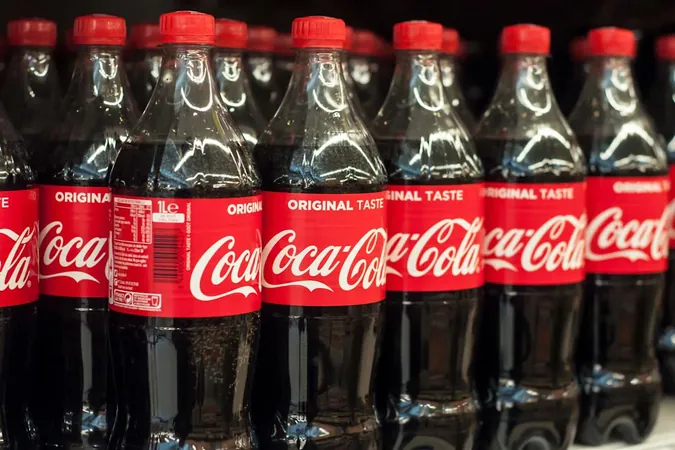
Coca-Cola Faces Backlash Over Shocking Report Linking It to Fracking and Plastic Pollution
2025-04-22
Author: Yan
Coca-Cola's Controversial Ties to Plastic Production
In a startling revelation, research has uncovered that Coca-Cola, among other renowned brands, is entangled in plastic production processes that heavily rely on fracking. This alarming connection raises serious concerns about the future health of our children.
The Fracking Connection: What You Need to Know
Euronews reports that an investigation by Stand.earth has identified over 25 prominent consumer brands, including the likes of Unilever, Nestlé, and Procter & Gamble, as being linked to fracking operations in the Permian Basin of Texas—dubbed one of the most significant "carbon bombs" due to its destructive impact on the environment.
Fracking, the process of extracting oil and gas by breaking apart shale rock with a high-pressure mix of water and chemicals, produces ethane—a key ingredient in plastic manufacturing. Alarmingly, a significant portion of this ethane is exported globally for plastic production.
The Environmental and Health Risks of Fracking
Fracking poses serious threats not only to the environment but also to the health of local communities. The process can cause small earthquakes and contaminate water supplies. Disturbingly, there have been instances where residents' tap water has caught fire, highlighting the acute dangers of contamination.
Yvette Arellano, from the environmental justice organization Fenceline Watch, voiced her concerns, stating that the consequences of this toxic extraction could lead to "irreversible damage to our children's health, including low birth weights and long-term reproductive issues."
Plastic Pollution: A Global Crisis
Turning to plastic, this material has become one of the world's biggest polluters. It doesn't decompose naturally; instead, it breaks down into microplastics, infiltrating ecosystems and posing significant health risks to both wildlife and humans.
According to the U.N. Environment Program, a staggering 19 to 23 million tonnes of plastic waste enter our oceans annually, wreaking havoc on marine life and plants.
Coca-Cola's Response: Too Little, Too Late?
Coca-Cola has launched initiatives like 'World Without Waste,' which aims to ensure all packaging is recyclable. However, critics argue these measures fall short of addressing the broader issue of plastic production tied to fracking.
The company has promised to increase its use of recycled plastics to 30-35% by 2035, but its ongoing association with fracking raises red flags about its real commitment to sustainability.
Delphine Levi Alvares from the Center for International Environmental Law pointedly noted that many corporations forget their primary goal is not packaging but serving consumers. The reliance on fossil-fuel-based plastics is a choice, and safer alternatives like recycled or bio-based plastics exist.
The Path Forward: Demanding Corporate Responsibility
As long as companies prioritize profit over environmental responsibility, fracking will continue to thrive. Consumers must remain vigilant against greenwashing, where brands falsely promote eco-friendly practices. Supporting companies that prioritize transparency and sustainability is crucial for safeguarding our planet for future generations.
 Brasil (PT)
 Canada (EN)
 Chile (ES)
 Česko (CS)
 대한민국 (KO)
 España (ES)
 France (FR)
 Hong Kong (EN)
 Italia (IT)
 日本 (JA)
 Magyarország (HU)
 Norge (NO)
 Polska (PL)
 Schweiz (DE)
 Singapore (EN)
 Sverige (SV)
 Suomi (FI)
 Türkiye (TR)
 الإمارات العربية المتحدة (AR)