How Climate Change is Endangering Our Blood Supply
2025-04-18
Author: Lok
A Hidden Crisis: Climate Change Threatens Blood Availability
Climate change is casting a shadow over something you'd least expect: our global blood supply. New research published in The Lancet Planetary Health reveals alarming connections between rising temperatures, extreme weather, and disruptions in blood donations.
The Deadly Disconnect of Supply and Demand
As climate-induced disasters become more frequent, they not only heighten the demand for blood but simultaneously limit its availability. This staggering mismatch can lead to severe blood shortages at critical times when every drop counts. According to Elvina Viennet, an infectious disease researcher from Australia, disruptions in blood supply endanger lives across communities.
First of Its Kind: A Global Assessment
This groundbreaking study is the first of its kind to examine how climate change intricately weaves into the fabric of blood supplies. Dr. Viennet and her team analyzed numerous studies on extreme weather's impact on public health, including its effects on mental well-being and the safety of blood transfusions.
Real-World Instances of Blood Donation Dips
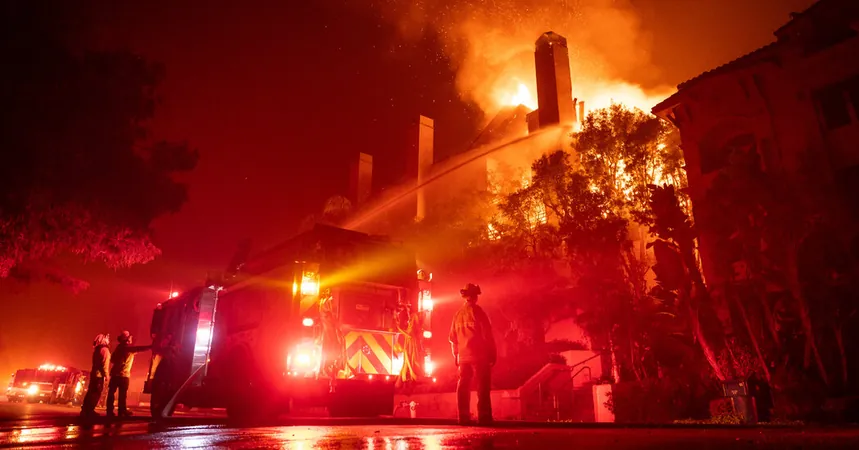
In the U.S., blood donations often plummet during extreme weather events. For instance, when Hurricane Helene slammed the Southeastern coast, over 100 blood drives were canceled. Similarly, during the Los Angeles fires, thousands of potential donors were unable to give. By early 2023, the Red Cross was facing a crisis with canceled donations nearly matching the total for the entire previous year, largely due to climate-related disruptions.
Transportation Woes: From Delays to Disruptions
Even with blood on hand, natural disasters can block transport routes, halting deliveries to hospitals. While drone technology could offer a lifeline, experts emphasize that significant advancements are needed to ensure these innovations can be effectively utilized.
Rising Risks for Vulnerable Populations
Disasters not only hamper supply but can also spike blood demand due to increased traumatic injuries, particularly affecting vulnerable groups like cancer patients and pregnant women. As climate crises escalate, so do complications that necessitate urgent blood transfusions.
The Spread of Infectious Diseases Adds Another Layer of Risk
Warming temperatures are also spreading infectious diseases transmitted through blood, including West Nile and Zika viruses. As populations migrate due to climate factors, they bring these diseases with them, further shrinking the donor pool and potentially closing donation sites, as seen during the COVID-19 pandemic.
Planning for the Future: Can We Avoid the Crisis?
With strategic planning and early warning systems, we can avert the deadly mismatches of low blood supply and surging demand. Experts suggest that AI tools could be pivotal in monitoring health and climate data to better anticipate and respond to the forthcoming challenges.
Taming the Unpredictability of Climate Change
Ultimately, climate change introduces unprecedented challenges, creating humanitarian crises that put the entire blood supply at risk. As Evan Bloch, a transfusion specialist at Johns Hopkins University notes, the unpredictability of these shifts complicates efforts to ensure a stable supply of lifesaving blood.

 Brasil (PT)
 Canada (EN)
 Chile (ES)
 Česko (CS)
 대한민국 (KO)
 España (ES)
 France (FR)
 Hong Kong (EN)
 Italia (IT)
 日本 (JA)
 Magyarország (HU)
 Norge (NO)
 Polska (PL)
 Schweiz (DE)
 Singapore (EN)
 Sverige (SV)
 Suomi (FI)
 Türkiye (TR)
 الإمارات العربية المتحدة (AR)