The Shocking Truth Behind Alternative Cancer Treatments: A Survivor's Personal Journey
2025-04-08
Author: Chun
The Shocking Truth Behind Alternative Cancer Treatments: A Survivor's Personal Journey
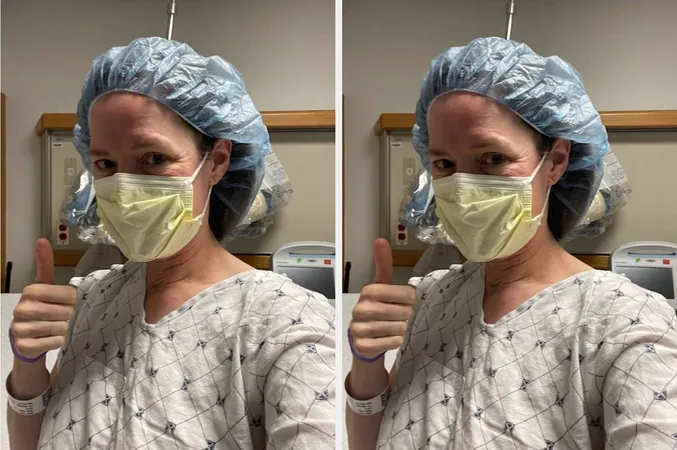
As a breast cancer survivor, I came face to face with the unsettling reality of the alternative health industry. After recently watching Netflix's eye-opening new show, "Apple Cider Vinegar," I felt a mix of anger and sadness. The series reveals the struggles of cancer patients who, in their desperation, are lured away from proven medical treatments by the promise of natural solutions. It sheds light on a shadowy world filled with charlatans and social media influencers who exploit the vulnerable, full of bold claims yet devoid of substantial scientific backing.
I can attest to this deception firsthand. In December 2022, I received the life-altering diagnosis of early-stage breast cancer. While arranging consultations with surgeons, delays due to the holiday season left me anxious and seeking answers. In what I now recognize as a misstep, I reached out to an integrative medical doctor, Dr. T, to discuss potential supplements that may support my health while awaiting surgery.
During our meeting, Dr. T endorsed my decision for surgery but tantalizingly introduced me to Dr. D, a holistic practitioner who specialized in thermography—an imaging technique that purportedly detects abnormal heat patterns on the breast, indicating inflammation or tumors. Dr. T mentioned Dr. D’s incredible claims of having 'healed' another patient’s cancer without resorting to conventional methods. Intrigued, I scheduled an appointment.
Upon arriving at Dr. D’s office, I was surprised to find it resembled a spa more than a clinical setting. The thermography procedure involved capturing thermal images of my breast followed by a "cold challenge," where I submerged my hands in icy water to assess how my body reacted. Although I found the process fascinating, it raised several red flags: thermograms are not FDA-approved as stand-alone cancer detection methods, and the technician was actually Dr. D’s spouse.
After a tense 30-minute wait for results, Dr. D’s diagnosis took an unexpected turn. The rainbow-colored thermogram report revealed "extra heat" but, crucially, did not indicate the presence of cancer. Instead of comforting me, Dr. D hastily attributed my cancer diagnosis to “too many COVID vaccines” and insisted that I should not receive any further vaccinations. I was bewildered—there is no scientific evidence linking COVID vaccines to breast cancer, and this suggestion starkly contrasted my own family history of the disease.
When I referenced my mother’s similar diagnosis, Dr. D dismissed it outright, pivoting instead to promoting "Super Mineral Water," one of the clinic's products that he claimed could detoxify my body and enhance my healing process. I felt a wave of horror wash over me—not merely at his unfounded assertions but also at my ignorance for considering this path.
A quick online search later revealed disturbingly similar stories. One, about a woman named Morganne Delian, highlighted the perils of avoiding traditional mammograms in favor of thermograms. After relying on alternative assessments that failed to detect her cancer, she eventually faced a Stage 3 diagnosis after undergoing a mammogram.
False promises and untested therapies abound in alternative medicine—from coffee enemas and questionable detox regimens to homeopathy that lacks scientific validation. Why do so many gravitate toward these avenues? The answer often lies in the human desire for control in the face of overwhelming fear. A cancer diagnosis can leave you feeling powerless, and alternative treatments promise a glimmer of hope through a personalized approach free from the complexities of clinical realities.
However, I found my strength in traditional medical practices. I learned to trust my oncological team and the weight of scientific evidence guiding their recommendations. I set aside any fantasies of miraculous healings—rooted instead in the discipline of a rigorous medical team that successfully removed my tumor and left me cancer-free.
Now, I follow up with annual mammograms and breast MRIs, adhering to the recommended screening protocol for high-risk individuals. Daily, I take tamoxifen—a precautionary medication that my oncologist advises for at least five years. I recognize that the expertise of my medical professionals is paramount—they are the ones who matter, not the misinformation spread by those seeking profit or fame.
Science, I learned, is not just an abstract concept; it is the life-saving force behind my journey. As we confront a disheartening trend toward skepticism about scientific institutions while blindly trusting influencers, "Apple Cider Vinegar" serves as a crucial reminder of the dangers lurking in the shadows of the alternative health industry. It compels us to prioritize evidence-based practices over the deceptive allure of simplicity.
The real question remains: In the face of such pressing issues, will society heed this warning and embrace the truths of science? It’s a challenge we cannot afford to ignore.


 Brasil (PT)
 Canada (EN)
 Chile (ES)
 Česko (CS)
 대한민국 (KO)
 España (ES)
 France (FR)
 Hong Kong (EN)
 Italia (IT)
 日本 (JA)
 Magyarország (HU)
 Norge (NO)
 Polska (PL)
 Schweiz (DE)
 Singapore (EN)
 Sverige (SV)
 Suomi (FI)
 Türkiye (TR)
 الإمارات العربية المتحدة (AR)