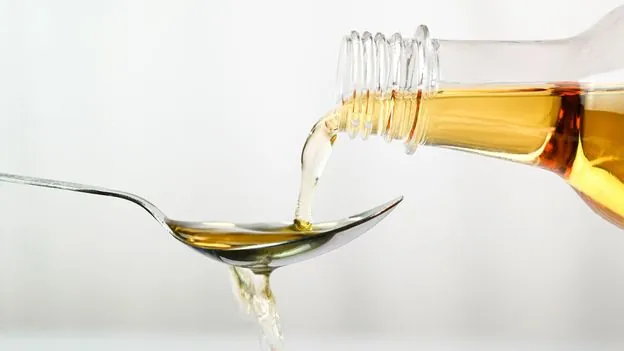
Unlock the Power of Vinegar: The Ultimate Green Cleaning Secret!
2025-04-24
Author: Ying
Discovering a Hidden Cleaning Gem
In a surprising turn of events, I transformed my cleaning techniques by testing an age-old household staple: vinegar. Living in my new Berlin apartment led to a fierce battle against stubborn limescale. Conventional cleaners weren’t cutting it, so I turned to a forgotten resource—the abundant vinegar left behind by the previous tenant.
Vinegar vs. Limescale: A Cleaning Revolution
After simply pouring two tablespoons of concentrated vinegar into the toilet and letting it work its magic, I scrubbed, and—voilà!—the limescale vanished. This success ignited my passion for using vinegar as my go-to cleaning agent. I even discovered it outperformed my usual kitchen spray cleaner, giving my sink and faucet a striking shine. For my limescale-laden glass kettle, two tablespoons of vinegar followed by a boil produced a satisfying fizz as the grime disintegrated.
The Science Behind Vinegar's Effectiveness
Curious about vinegar's overall efficacy, I explored its microbial properties and environmental benefits. Experts have long touted vinegar as a greener alternative to mainstream cleaning products, but I sought proof. After conversations with chemical engineers and microbiologists, I found that vinegar excels at dissolving limescale due to its acetic acid content. However, its effectiveness can vary based on the task at hand.
Not a One-Size-Fits-All Solution
While vinegar shines against limescale, it falters against oily residues—a task better suited to soap. Interestingly, the combination of vinegar and baking soda—often heralded as a cleaning powerhouse—cancels itself out chemically, yielding no benefit. Vinegar can act as an antimicrobial agent, but only at high concentrations, which can be irritating and harmful to certain surfaces.
A Brush with Bacteria and Viruses
In scientific studies, vinegar demonstrated effectiveness against some bacteria and viruses, including strains responsible for common illnesses. However, it’s not universally effective, particularly against certain resilient bacteria like MRSA, suggesting that traditional soaps and disinfectants also remain essential.
The Healthier Alternative?
Research into household cleaning products shows a concerning trend: many commercial cleaners emit harmful volatile organic compounds (VOCs). Unlike those synthetic concoctions, vinegar, being water and acetic acid, is minimally reactive, posing less respiratory risk when applied properly.
Why Choose Vinegar?
Vinegar stands out not just for its effectiveness but also its sustainability. It’s a simple, biodegradable substance that breaks down harmlessly without leaving lasting environmental impact. The production process primarily relies on renewable resources, like fruit and grain, making it a smarter choice for eco-conscious consumers.
Final Thoughts: Embrace the Vinegar Revolution
Armed with newfound knowledge, I confidently incorporate vinegar into my cleaning routine—not as a sole disinfectant but as a powerful limescale remover. Despite its pungent aroma, the benefits of using this sustainable product far outweigh the cons. Next time you face stubborn grime or limescale, consider reaching for vinegar—it might just be the solution you've been looking for!

 Brasil (PT)
 Canada (EN)
 Chile (ES)
 Česko (CS)
 대한민국 (KO)
 España (ES)
 France (FR)
 Hong Kong (EN)
 Italia (IT)
 日本 (JA)
 Magyarország (HU)
 Norge (NO)
 Polska (PL)
 Schweiz (DE)
 Singapore (EN)
 Sverige (SV)
 Suomi (FI)
 Türkiye (TR)
 الإمارات العربية المتحدة (AR)