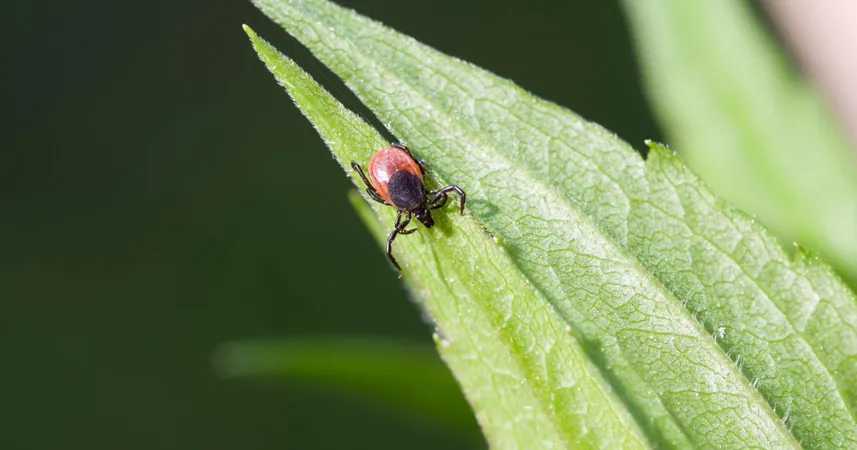
Beware the Hidden Dangers: A Guide to Lyme Disease and Tick Prevention!
2025-04-22
Author: Mei
The Rise of Lyme Disease and Tick Threats
As nature calls, so do the ticks! With warmer months upon us, the risk of Lyme disease looms larger than ever. May is Lyme Disease Awareness Month, and the charity Lyme Disease UK is putting out a desperate call to action: stay vigilant against these tiny yet dangerous creatures!
What You Need to Know About Lyme Disease
Lyme disease, an alarming infection caused by the Borrelia burgdorferi bacteria, is primarily transmitted to humans via tick bites. But that's not all; ticks can carry other harmful infections like Babesia, Bartonella, and, in rare cases in the UK, tick-borne encephalitis (TBE). These pests can even transmit more than one infection at once, leading to a dire combination of symptoms.
With the UK Health Security Agency (UKHSA) estimating approximately 1,500 confirmed cases annually and potentially three times more unreported, the true extent of this epidemic could be staggering. Ticks thrive in every corner of the UK, particularly in grassy and wooded areas, but don't be fooled—they're also lurking in urban parks and private gardens!
Recognizing the Signs: How to Spot Lyme Disease
Symptoms can sneak up on you and may fluctuate, complicating diagnosis. The hallmark sign of Lyme disease is a rash known as erythema migrans (EM), often reminiscent of a bull’s-eye. However, not everyone displays this classic rash. In fact, about one-third of those infected may not develop it at all! Some non-traditional appearances may confuse, so vigilance is key. It can take days or even months for the rash to manifest, and it usually doesn’t itch or hurt—making it easy to overlook.
If you experience 'summer flu' symptoms including headaches, neck stiffness, fatigue, or unexplained joint pain, take them seriously! Parents should watch for behavioral changes in small children; they might not be able to express their discomfort verbally.
Why is Lyme Disease Increasing?
Lyme disease is now the most prevalent tick-borne illness in the Northern Hemisphere, with its risk increasing across the UK. Since the first confirmed case in 1985, reported cases have risen steadily. This surge is complex in nature, possibly linked to climate change, alterations in land use, and shifting biodiversity. Moreover, infected ticks that carry TBE are now being reported, although the risk remains low.
Protecting Your Pets from Ticks
Don’t forget about your furry friends! After every outdoor adventure, perform a thorough tick check on your dog—especially in areas like the head, belly, and armpits. Consider using vet-recommended tick prevention products like collars and spot-on treatments to keep your pets safe. A crucial tip: never use cat tick control on dogs! Such products can be fatal to cats.
Finally, keep your garden tidy by regularly trimming grass and vegetation. While ticks prefer woodland, they can easily make your garden their home.
Stay Informed and Safe!
As you embrace the outdoors this season, arm yourself with knowledge and protective measures against ticks and Lyme disease. Spread the word—your awareness can make all the difference!
 Brasil (PT)
 Canada (EN)
 Chile (ES)
 Česko (CS)
 대한민국 (KO)
 España (ES)
 France (FR)
 Hong Kong (EN)
 Italia (IT)
 日本 (JA)
 Magyarország (HU)
 Norge (NO)
 Polska (PL)
 Schweiz (DE)
 Singapore (EN)
 Sverige (SV)
 Suomi (FI)
 Türkiye (TR)
 الإمارات العربية المتحدة (AR)