Blackmagic Hits the Brakes on US Factory Plans Amid Tariff Turmoil
2025-04-22
Author: Rajesh
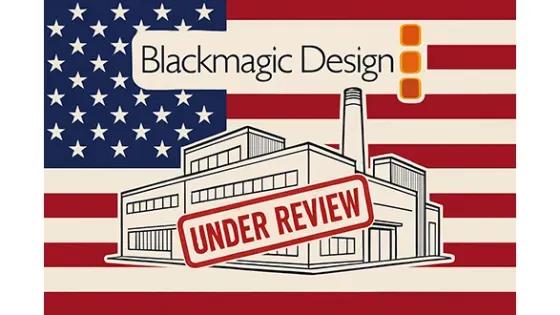
In a dramatic twist for the tech world, Blackmagic Design is putting its ambitious plans for a new US factory on hold. The move comes as the company grapples with the unpredictable landscape of tariffs affecting component costs.
Company representative Patrick Hussey revealed to The Verge that Blackmagic will wait a few months to evaluate whether the manufacturing of components will shift back to the US before moving forward with its plans.
Originally slated for Dallas, Texas, the factory was intended to enhance collaboration with American semiconductor manufacturers. However, while Blackmagic's camera components and printed circuit boards are presently sourced from US firms, those companies continue to rely on overseas imports.
Hussey stated, "If we proceed with the US factory, we’d incur tariffs on those parts, which would inflate our costs and nullify the anticipated savings." This highlights the intricate dance manufacturers are forced to perform in today’s tariff-heavy atmosphere.
In response to these developments, Blackmagic swiftly adjusted prices, including on its premium Pyxis 12K digital film camera, which saw its initial price leap from $4,995 to $6,595 before settling at $5,495.
But Blackmagic isn't alone in this financial scramble. QSC has frozen orders on over 200 audio products due to tariff pressures. Thankfully, the company clarified that its existing stateside inventory remains unaffected.
In a similar vein, Crestron has announced a looming 5% tariff surcharge on hardware, effective May 1, although software and services will remain untouched.
Across the Atlantic, French conglomerate Legrand is bracing for staggering financial repercussions, estimating that a 10% tariff on Chinese goods could cost it $30 million, while a hefty 25% tariff on Mexican imports threatens to inflate costs by $90 million.
Legrand's CEO Benoît Coquart stressed the company’s strategy of either passing these costs onto consumers or trimming expenses to absorb them.
On community forums, system integrators are reporting an influx of business, as the specter of escalating tariffs exerts pressure on potential clients to close deals quickly. One user mentioned that previous 'dead leads' suddenly revived as clients rushed to finalize projects before price hikes.
Another contributor noted that they now include potential tariff charges in every quote, which are valid for just 20 days, ensuring they maintain profitability amidst rising costs.
However, caution remains. One user ominously warned that these tariffs could provide an opportunity for manufacturers to push for higher margins, squeezing integrators and clients alike in the process.
 Brasil (PT)
 Canada (EN)
 Chile (ES)
 Česko (CS)
 대한민국 (KO)
 España (ES)
 France (FR)
 Hong Kong (EN)
 Italia (IT)
 日本 (JA)
 Magyarország (HU)
 Norge (NO)
 Polska (PL)
 Schweiz (DE)
 Singapore (EN)
 Sverige (SV)
 Suomi (FI)
 Türkiye (TR)
 الإمارات العربية المتحدة (AR)