Breakthrough in Chronic Back Pain Treatment: Targeting 'Zombie Cells'
2025-04-22
Author: Sarah
Revolutionary Approach to Back Pain Relief
A groundbreaking study from McGill University has unveiled a promising new strategy in the battle against chronic low back pain—a condition that afflicts millions globally. Researchers have found that two medications aimed at eliminating "zombie cells"—senescent cells that accumulate in spinal disks—could potentially address the root cause of this pervasive issue.
Current Treatments Fail to Heal
Traditionally, chronic back pain treatments have focused largely on symptom management through painkillers or surgical interventions, leaving the underlying problems unaddressed. Senior author Lisbet Haglund, a Professor of Surgery at McGill and Co-director of the Orthopedic Research Laboratory, expressed optimism about their study's findings, stating, "We might be able to treat back pain in a completely new way, by removing the cells driving the problem, not just masking the pain."
Science at Work: Clearing 'Zombie Cells'
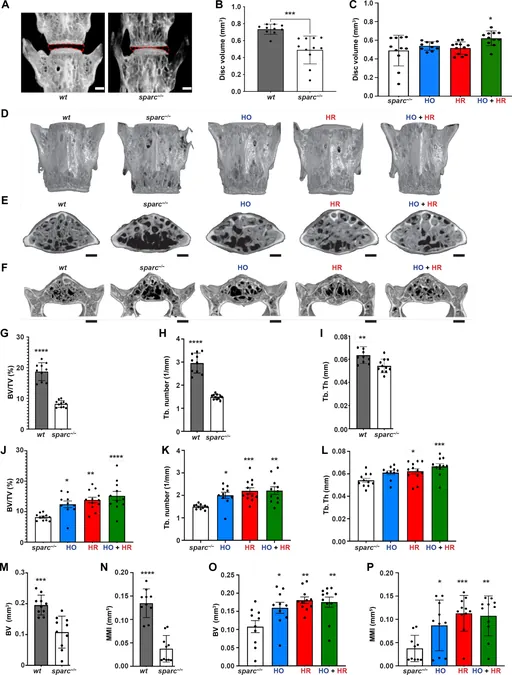
The research, conducted by McGill's Alan Edwards Center for Research on Pain, explored the effects of two drugs administered to mice: o-Vanillin, a natural compound, and RG-7112, an FDA-approved cancer medication. Remarkably, when given together or separately over an eight-week period, both drugs effectively cleared zombie cells from the mice's spinal disks, leading to significant reductions in pain and inflammation.
Surprising Findings and Next Steps
What makes this study even more intriguing is the unexpected role of o-Vanillin. Originally not part of the research plan, Haglund's team decided to test this turmeric-derived compound known for its anti-inflammatory properties on a whim. The outcome? Evidence showing that o-Vanillin might be instrumental in eradicating zombie cells, a breakthrough that could pave the way for novel back pain treatments.
Looking Ahead: Can This Work in Humans?
While the effects seen in mice are promising, the big question remains: will these drugs have the same impact on humans? As Haglund points out, reaching the spinal disks has traditionally posed a significant hurdle in the treatment of back pain, making this new research an exciting leap forward. Stay tuned as scientists continue to explore this innovative potential for healing chronic back pain.
 Brasil (PT)
 Canada (EN)
 Chile (ES)
 Česko (CS)
 대한민국 (KO)
 España (ES)
 France (FR)
 Hong Kong (EN)
 Italia (IT)
 日本 (JA)
 Magyarország (HU)
 Norge (NO)
 Polska (PL)
 Schweiz (DE)
 Singapore (EN)
 Sverige (SV)
 Suomi (FI)
 Türkiye (TR)
 الإمارات العربية المتحدة (AR)