Childhood Exposure to Bacterial Toxin Linked to Colorectal Cancer Surge
2025-04-24
Author: Yu
Uncovering the Hidden Dangers of Colibactin
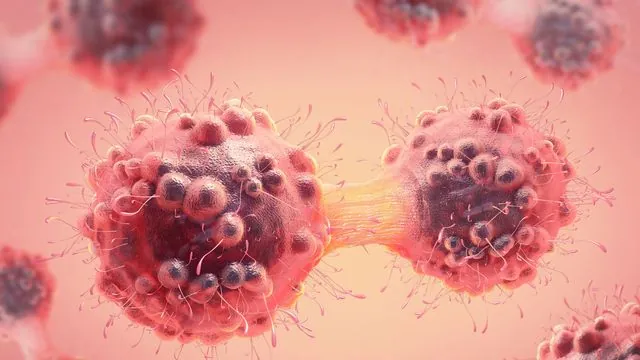
A groundbreaking study from the University of California, San Diego, has identified a possible microbial villain behind the alarming rise in early-onset colorectal cancer: a bacterial toxin known as colibactin. Produced by specific strains of Escherichia coli, which lurk in our guts, colibactin can alter DNA in ways that may trigger this type of cancer before age 50.
Shocking Genetic Findings in Early Onset Cases
Published in Nature on April 23, this research scrutinized nearly 1,000 colorectal cancer genomes from patients worldwide. It revealed that DNA mutations linked to colibactin were 3.3 times more frequent in those diagnosed under 40 compared to older patients, particularly in nations experiencing high rates of early-onset cases. This indicates that childhood exposure to colibactin may be a key factor in this modern health crisis.
A Historic Record Embedded in Our DNA
"These mutation patterns serve as a historical record within the genome, suggesting that early-life exposure to colibactin drives early-onset colorectal cancer," says senior author Ludmil Alexandrov. Their findings challenge prior studies that primarily focused on older patients and opened a new chapter in understanding cancer's origins.
A Cancer Crisis Among Young Adults
Incredibly, colorectal cancer cases in individuals under 50 have soared, doubling every decade for the last 20 years across at least 27 countries. Projections indicate it could become the leading cancer killer among young adults by 2030. Historically viewed as a disease of older adults, these alarming trends raise serious questions, especially since many young patients lack family histories or apparent risk factors.
The Journey to Discovery
Initially, the research team intended to explore global colorectal cancer patterns rather than focus solely on early-onset cases. But as they delved into their data, they discovered colibactin mutations were alarmingly more common in younger patients, leading them to rethink their approach to this lethal disease.
Exploring the Dark Side of Colibactin
By investigating how colibactin's destructive effects transpire at a molecular level, researchers found that these genetic alterations can occur within the first decade of life. This alarming discovery reveals that colibactin-related mutations comprise about 15% of key mutations that fuel cancer development.
Environmental and Microbial Connections
The question now unfolds: how are children being exposed to this dangerous toxin? The researchers are exploring various hypotheses, including environmental factors and dietary influences, and are developing early detection methods to identify colibactin mutations in stool samples.
Funding and Future Research Needs
While this pivotal research could drastically shift our understanding of cancer origins, its future is uncertain due to potential budget cuts threatening vital funding from the NIH. Alexandrov warns, "Without sufficient resources, understanding and addressing this urgent health issue will be challenging."
A Global Fight Against Cancer
The team is also identifying mutational patterns across different countries, offering new possibilities for targeted prevention strategies. It's imperative to recognize that many cancers might originate from early-life environmental exposures, reshaping our understanding of cancer's development.
The Wake-Up Call for Prevention
This research provides a critical reminder: early interventions may be the key to preventing colorectal cancer. It emphasizes the need for sustained investment in scientific studies to protect the health of future generations. As we continue combating this rising epidemic, our focus must include those formative years in children's lives.
 Brasil (PT)
 Canada (EN)
 Chile (ES)
 Česko (CS)
 대한민국 (KO)
 España (ES)
 France (FR)
 Hong Kong (EN)
 Italia (IT)
 日本 (JA)
 Magyarország (HU)
 Norge (NO)
 Polska (PL)
 Schweiz (DE)
 Singapore (EN)
 Sverige (SV)
 Suomi (FI)
 Türkiye (TR)
 الإمارات العربية المتحدة (AR)