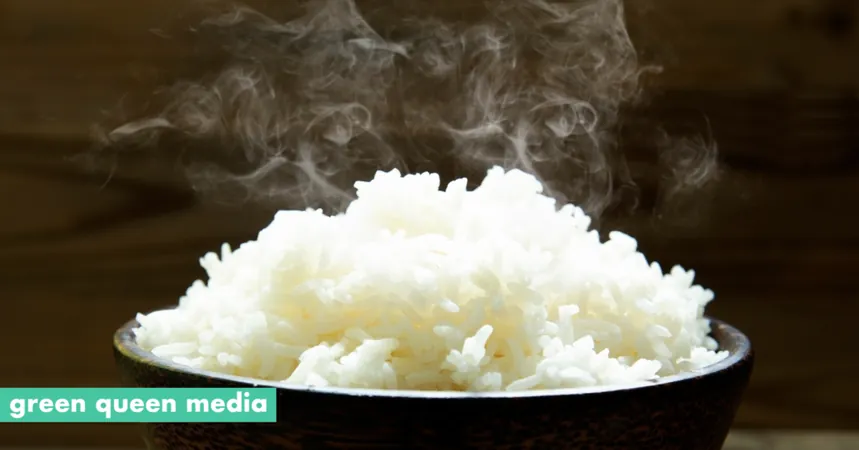
Climate Change: The Hidden Danger of Toxic Arsenic in Rice
2025-04-23
Author: Yu
How Climate Change is Poisoning Our Rice Supply
A startling new study reveals that climate change is dramatically increasing arsenic levels in rice, a dietary staple for billions across the globe. Rising emissions and temperatures are putting vulnerable populations at heightened risk of serious health issues, including cancer.
Rice: A Food Staple for Half the World
Rice is the cornerstone of sustenance for nearly half of the world's population, with 95% of its production occurring in developing nations. These regions, already grappling with the harsh effects of climate change, now face another alarming threat to their food security.
The Unseen Link: Temperature, Carbon Dioxide, and Arsenic
Scientists from the US and China have identified that rising temperatures and increased CO2 levels, caused by greenhouse gas emissions, significantly raise arsenic concentrations in rice. The toxic chemical, which can accumulate in paddy soils, can be absorbed by the grains, posing severe health risks to those who consume it.
The Health Hazards of Arsenic in Rice
Inorganic arsenic is particularly dangerous; it has been dubbed a 'confirmed carcinogen' by the World Health Organization. Chronic exposure can lead to lung, bladder, and skin cancers, as well as heart disease, diabetes, and developmental issues in children. With rice being a daily dietary staple for billions, even slight increases in arsenic levels could have catastrophic health effects.
From Research to Action: The Urgency for Change
Over a decade, researchers cultivated 28 rice strains in various Chinese locations, tracking the impact of climate change on arsenic levels. They found that as emissions and temperatures increased, arsenic concentrations in 90% of samples rose as well. Ziska noted that this interaction transforms soil chemistry, creating environments where arsenic is more readily absorbed by plants.
Projected Cancer Cases: A Disturbing Outlook
The study, published in The Lancet Planetary Health, projects alarming increases in health issues associated with rice-based arsenic exposure in Asia's largest rice-consuming countries. China could see between 13.4 to 19.3 million new cancer cases linked to this crisis by 2050 if global temperatures rise significantly.
Call for Regulatory Change
With current policies proving inadequate, researchers urge regulators to impose stricter controls on arsenic levels in food. The US FDA's guidelines remain non-enforceable, while stricter measures in the EU and proposals in China may not be enough to combat the looming threat—especially with projections that over half of rice samples could exceed safety limits.
Innovative Solutions: Startups Addressing the Crisis
In response to these challenges, various innovative startups are emerging, focusing on improving rice cultivation methods to mitigate environmental impacts. For instance, India-based MittiLabs and France’s CarbonFarm leverage technology to aid farmers in reducing emissions, while Singapore’s Rize promotes sustainable practices such as alternate wetting and drying to effectively cut methane emissions.
Conclusion: The Global Stakes of Rice Production
As climate change continues to pose a dual threat to both the environment and public health, efforts to decrease arsenic exposure in rice are critical. Coordinated actions combining research, policy, and technology could pave the way for a healthier future, safeguarding the health of billions who depend on this vital grain.

 Brasil (PT)
 Canada (EN)
 Chile (ES)
 Česko (CS)
 대한민국 (KO)
 España (ES)
 France (FR)
 Hong Kong (EN)
 Italia (IT)
 日本 (JA)
 Magyarország (HU)
 Norge (NO)
 Polska (PL)
 Schweiz (DE)
 Singapore (EN)
 Sverige (SV)
 Suomi (FI)
 Türkiye (TR)
 الإمارات العربية المتحدة (AR)