Electrifying Hope: The Resurgence of Neurostimulation in Psychiatry
2025-04-23
Author: Arjun
Old Methods, New Hope
In an era where mental health breakthroughs seem infrequent, earlier electrical therapies are experiencing a revival—especially in Switzerland. These methods, once overshadowed by pharmaceutical advances, are stepping back into the spotlight.
A Personal Journey of Recovery
Meet Isabelle, a 49-year-old from Neuchâtel, who hit rock bottom two years ago. Diagnosed with melancholia, she found herself trapped in a cycle of medications—15 different drugs—while battling relentless depression and enduring two suicide attempts.
Fast forward to today, Isabelle is a transformed individual. ”I never thought I would be stable, let alone ever be myself again,” she shares, grateful for the therapy that rekindled her ability to care for herself and reconnect with her family.
The Power of Neurostimulation
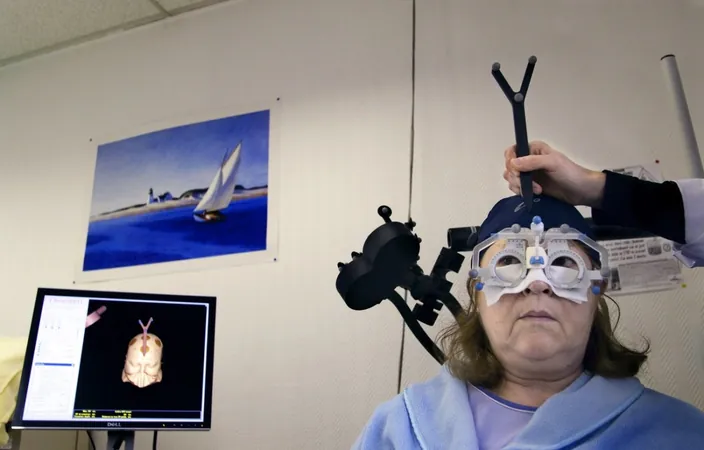
Isabelle's recovery journey was drastically altered by neurostimulation therapies like electroconvulsive therapy (ECT) and transcranial magnetic stimulation (TMS), which manipulate electrical impulses to engage brain neurons and alleviate conditions like depression, anxiety, and even schizophrenia. ECT and TMS are especially crucial for the one-third of depression patients who don't respond to traditional antidepressants.
A Historical Perspective: Psychiatry's Stagnation
Since their inception in the 1950s, antidepressants have promised breakthroughs, but innovation has slowed dramatically in recent decades. Renowned Harvard historian Anne Harrington notes that there have been no significant pharmaceutical advancements in treatment since the 1960s. Drug companies, drawn to more profitable ventures, have largely abandoned mental health research.
Reviving Electrotherapy: The Return of ECT
Originally developed in the 1930s, ECT fell out of favor amid cultural stigmas. Yet today in Switzerland, its acceptance is growing again, with several university hospitals reopening their ECT wards. As of 2023, ECT treatments in Switzerland surged to 398 patients, up from 228 just a few years prior.
While ECT can treat a variety of conditions effectively, including depression and schizophrenia, it’s important to note that it isn't risk-free. Critics raise concerns over potential long-term memory loss and other side effects, making it essential to weigh the benefits against the risks.
TMS: A Less Invasive Alternative
Isabelle also found solace in TMS, a cutting-edge, non-invasive method that uses magnetic fields to stimulate specific brain areas. Initially developed in 1985, TMS is now recognized as effective for several mental health disorders while being kinder to the patient.
This therapy is gaining traction, with 398 patients treated in Switzerland this year. However, TMS sessions—often costing around CHF 350 each—are typically not covered by insurance, leading to concerns about accessibility.
An Evolving Field of Study
Recent initiatives are underway to further refine these electrical therapies. The Stanford Accelerated Intelligent Neuromodulation Therapy (SAINT) aims to enhance the efficacy of TMS, showing promising remission rates of around 90% based on recent studies.
Experts emphasize that these treatments are not alternative medicine but scientifically validated approaches to mental health recovery. As patients like Isabelle advocate for wider access, the hope is that everyone can benefit from these life-changing therapies.
Final Thoughts: A Call for Change
As neurostimulation therapies make a comeback, they ignite hope for many battling severe mental health issues. Isabelle’s story stands testament to the power of these treatments, but the fight for accessibility and acceptance continues. In a world where mental health is finally becoming a priority, the revival of these long-ignored methods could change lives for the better.
 Brasil (PT)
 Canada (EN)
 Chile (ES)
 Česko (CS)
 대한민국 (KO)
 España (ES)
 France (FR)
 Hong Kong (EN)
 Italia (IT)
 日本 (JA)
 Magyarország (HU)
 Norge (NO)
 Polska (PL)
 Schweiz (DE)
 Singapore (EN)
 Sverige (SV)
 Suomi (FI)
 Türkiye (TR)
 الإمارات العربية المتحدة (AR)