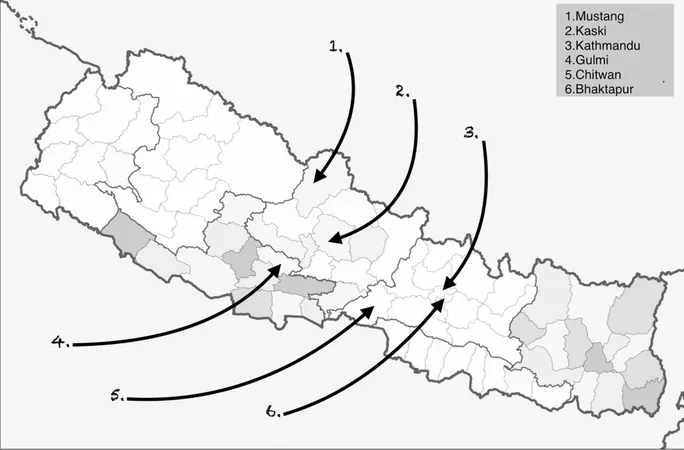
Empowering Communities: A New Approach to Zoonotic Disease Management in Nepal
2025-04-16
Author: John Tan
The Rising Threat of Zoonotic Diseases
Zoonotic diseases pose a serious and escalating threat worldwide, particularly underscored by the COVID-19 pandemic, which has devastated health and economies across the globe. With over 60% of infectious diseases in humans originating from pathogens shared with animals, adopting sustainable, integrative healthcare strategies is absolutely crucial.
The One Health Approach
The One Health framework emerges as a critical solution, seeking to harmonize and enhance health outcomes for people, animals, and ecosystems. In resource-poor countries like Nepal, where many rely heavily on livestock for survival, the close contact with animals can lead to heightened disease risks. Currently, Nepal spends about $53 per capita on healthcare, severely limiting its capacity to develop advanced surveillance systems for emerging infectious diseases or to conduct extensive research.
Community-Centric Solutions: A Necessity
In a nation where healthcare systems often neglect the vulnerable, it's vital to empower the community members to take part in health initiatives. By placing people at the center of health programs and actively seeking their input, we can ensure the solutions provided align with cultural, social, and economic realities. Engaging communities in planning and delivering healthcare interventions has proven more successful than top-down approaches.
Examples of Empowered Community Participation
The Ebola outbreak in West Africa demonstrated how community engagement can shape responses to health crises. Similarly, a One Health project in South Africa revealed that localized training led to a staggering 98% of participants implementing risk mitigation strategies. These examples illustrate the importance of tailoring interventions to specific community needs, ensuring they are practical and culturally appropriate.
Identifying Local Knowledge and Resources
In Nepal, tapping into indigenous knowledge can provide insights into local practices that can help mitigate disease risk. This calls for researchers and healthcare professionals to actively engage with communities, facilitating an exchange of wisdom that respects local traditions while addressing contemporary health issues.
Integrated Approaches: Traditional Healers and Community Leaders
Working alongside local traditional medicine practitioners, who are often the first point of contact for many in rural areas, can bridge gaps within the healthcare system. Training these healers on disease prevention and control will ensure that their extensive local knowledge is leveraged effectively, creating trust and increasing community participation.
Community Voices Matter
Recent studies indicate that when healthcare messages are delivered in local languages by trusted community members, engagement increases significantly. These insights highlight the importance of culturally relevant communication strategies that resonate with local communities. For instance, participants in our research voiced a desire for government-led initiatives, believing these would yield more trust and engagement.
A New Era of Collaboration
As Nepal navigates the complexities of zoonotic disease management, the key lies in fostering genuine partnerships between communities and health providers. Moving forward, co-production should become the norm, incorporating the needs, voices, and wisdom of locals, thereby transforming public health strategies and enabling communities to protect their health more effectively.
Conclusion: Building a Collective Future
This fresh, community-centric approach could redefine how we address zoonotic diseases in Nepal—enabling a collaborative spirit among all stakeholders and leading to sustainable health outcomes. By recognizing the unique context and experiences of communities, we can pave the way for a healthier future.


 Brasil (PT)
 Canada (EN)
 Chile (ES)
 Česko (CS)
 대한민국 (KO)
 España (ES)
 France (FR)
 Hong Kong (EN)
 Italia (IT)
 日本 (JA)
 Magyarország (HU)
 Norge (NO)
 Polska (PL)
 Schweiz (DE)
 Singapore (EN)
 Sverige (SV)
 Suomi (FI)
 Türkiye (TR)
 الإمارات العربية المتحدة (AR)