Empowering Mothers: How Nursing Interventions Boost Health Control and Self-Efficacy in Women with Preeclampsia
2025-04-23
Author: Rajesh
Understanding Preeclampsia: A Global Health Concern
Preeclampsia, a serious condition affecting pregnant women, significantly increases the risk of maternal and fetal complications. Affecting 4.2% of pregnancies in Egypt and contributing to 18% of global maternal deaths, it starkly highlights the urgency for effective management strategies.
The Dangers of Gestational Hypertension
Gestational hypertension leads to critical health risks, including higher chances of cardiovascular issues for mothers and severe complications for infants, such as growth restrictions and premature births. For women to manage this illness effectively, adherence to a structured health plan is paramount.
The Power of Adherence: A Collaborative Approach
Adherence to anti-hypertensive regimens hinges on the collaborative efforts between healthcare providers and pregnant women. By incorporating personal values and lifestyle preferences into treatment plans, the likelihood of successful health outcomes increases.
Unlocking Control: The Health Locus of Control
Conceptualized by psychologist Julian Rotter, the health locus of control involves understanding whether individuals believe they can influence their health outcomes. Women with an internal locus of control tend to take charge of their health, while those with an external locus often feel dependent on outside forces.
The Role of Self-Efficacy in Managing Health
Self-efficacy, a core principle of Bandura’s social cognitive theory, significantly impacts an individual's ability to manage health conditions. Elevated self-efficacy fosters confidence in executing lifestyle changes necessary for managing hypertension.
The Crucial Role of Nursing in Preeclampsia Management
Nurses play an essential role in empowering women with preeclampsia. By offering health education, setting achievable goals, and providing motivation, nursing interventions can enhance both health locus of control and self-efficacy. A proactive approach leads to better outcomes for both mothers and their babies.
Research Insights: Empowering Women Through Education
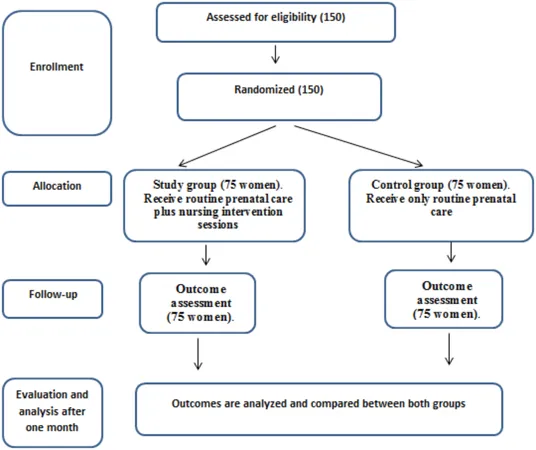
A recent study aimed to evaluate the impact of nursing intervention sessions on health locus of control and self-efficacy in women suffering from preeclampsia. By assessing changes before and after the intervention, researchers found significant improvements in both the internal locus of control and self-efficacy scores among participants.
Results that Speak Volumes
The study revealed that nursing interventions significantly elevated women's health control perceptions and self-efficacy, ultimately encouraging healthier pregnancies and better adherence to treatment plans. This empowerment is vital in reducing risks associated with preeclampsia.
The Importance of Tailored Health Interventions
As the study reinforced, health interventions must be personalized to each woman's circumstances, ensuring a supportive environment that promotes sustained health practices. This approach not only addresses immediate health needs but also invests in the long-term well-being of mothers and their children.
Looking Ahead: A Call for Comprehensive Health Education
For healthcare professionals, understanding the psychological factors influencing health behaviors is crucial. Integrating health education into prenatal care can pave the way for improved self-management of chronic conditions, ultimately reducing maternal mortality rates.
Conclusion: Empowering Women for Healthier Futures
In conclusion, nursing interventions prove to be a vital asset in managing preeclampsia, empowering women to take charge of their healthcare journey. As awareness grows and interventions become more refined, we move closer to ensuring safer pregnancies for women around the world.

 Brasil (PT)
 Canada (EN)
 Chile (ES)
 Česko (CS)
 대한민국 (KO)
 España (ES)
 France (FR)
 Hong Kong (EN)
 Italia (IT)
 日本 (JA)
 Magyarország (HU)
 Norge (NO)
 Polska (PL)
 Schweiz (DE)
 Singapore (EN)
 Sverige (SV)
 Suomi (FI)
 Türkiye (TR)
 الإمارات العربية المتحدة (AR)