Groundbreaking Study Links Gut Health to Autism Symptoms: Could This Be the Key to New Treatments?
2025-04-14
Author: Siti
Revolutionary Findings on Gut Microbiome and Autism
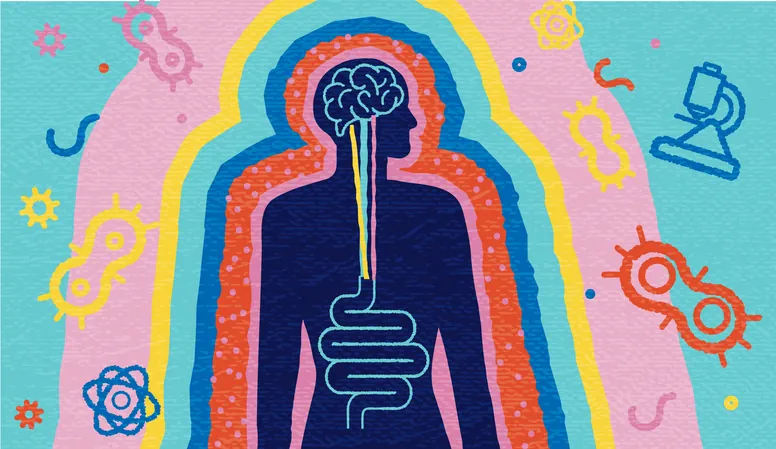
A groundbreaking study has uncovered a significant connection between gut health and behavioral symptoms in children diagnosed with autism spectrum disorder (ASD). The research suggests that dysbiosis, or an imbalance in gut microbes, may disrupt vital metabolic processes within the digestive system, affecting neurotransmitter production and potentially influencing autism-related behaviors.
Unlocking the Gut-Brain Connection
Published in Nature Communications, the study, titled "Relationships between brain activity, tryptophan-related gut metabolites, and autism symptomatology," highlights how alterations in gut metabolites, particularly those related to tryptophan, correlate with brain differences and behavioral traits seen in ASD. Lisa Aziz-Zadeh, a lead researcher from USC, states, "This research connects the dots between gut health and autism-related behaviors by showing that the brain acts as an intermediary. When the gut is unbalanced, it can influence not just brain function but also behavior."
The Study's Methodology: A Closer Look
To delve deeper into this relationship, researchers analyzed behavioral data, brain imaging, and stool samples from 43 children with autism and 41 neurotypical peers, aged 8 to 17. Using advanced techniques such as fecal metabolomics and functional MRI, the team conducted tasks designed to highlight emotional and sensory processing differences that are characteristic of ASD.
Key Findings: Tryptophan's Role in Autism Severity
The findings revealed that specific tryptophan-related metabolites, such as kynurenate, were notably lower in children with autism compared to their neurotypical counterparts. These lower levels were linked to changes in brain activity in areas known to be affected in ASD and even correlated with the severity of symptoms, such as social challenges and sensory sensitivities. Aziz-Zadeh noted, "We’ve established a clear link between the gut’s microbial activity and the brain’s response, suggesting a potential pathway for future treatments."
A Hopeful Outlook for Novel Interventions
The implications of this research could lead to innovative intervention strategies aimed at improving gut health to enhance neural activity and reduce undesirable behavioral symptoms in children with autism. Sofronia Ringold, a doctoral student involved in the study, expressed optimism about future therapies, stating, "If we can target the gut to positively influence brain function and alleviate discomforting symptoms, it could change lives for these children."
Conclusion: The Future of Autism Treatment?
As the understanding of the gut-brain axis deepens, these findings pave the way for experimental therapies that could address both gastrointestinal issues and behavioral symptoms in autism. This breakthrough research not only highlights the complexity of autism but also opens a new chapter in treatment possibilities, making it a pivotal moment in the quest to support affected children and their families.

 Brasil (PT)
 Canada (EN)
 Chile (ES)
 Česko (CS)
 대한민국 (KO)
 España (ES)
 France (FR)
 Hong Kong (EN)
 Italia (IT)
 日本 (JA)
 Magyarország (HU)
 Norge (NO)
 Polska (PL)
 Schweiz (DE)
 Singapore (EN)
 Sverige (SV)
 Suomi (FI)
 Türkiye (TR)
 الإمارات العربية المتحدة (AR)