Is Your Gut Bacteria Spiking Colon Cancer Rates in Young Adults?
2025-04-25
Author: Wei
Colon cancer cases among individuals under 55 have surged by a staggering 100% in the last two decades, raising alarm bells among medical professionals and researchers alike. But what’s behind this troubling trend?
The Colibactin Connection
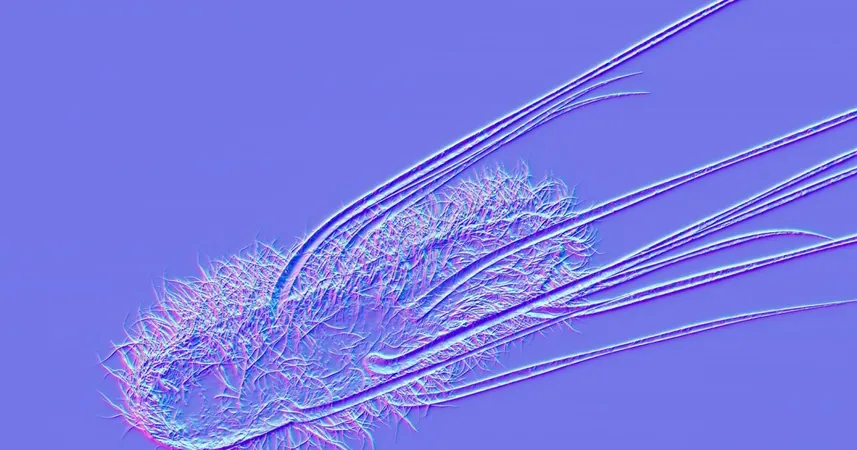
Recent findings suggest a potential culprit: colibactin, a harmful toxin produced by certain strains of E. coli and other gut bacteria. A groundbreaking study from researchers at the University of California, San Diego, highlights a striking correlation between this DNA-damaging toxin and early-onset colon cancer.
Analyzing tissue samples from nearly 1,000 colorectal cancer patients worldwide, the researchers discovered that many had mutations indicative of past exposure to colibactin. According to lead author Ludmil Alexandrov, this toxin acts as a defense mechanism for bacteria, akin to a weapon in a biological arms race.
Young Patients at Greater Risk
Alarmingly, individuals under 40 diagnosed with early-stage colon cancer were found to be three to five times more likely to have these mutated genes compared to their older counterparts. This suggests that the dangerous effects of colibactin may begin much earlier in life than previously thought.
"Our research points to childhood as a critical period," Alexandrov notes. "If mutations occur at an early age, patients may face an earlier-onset colorectal cancer decades later." While the study strongly associates colibactin with these cancers, researchers caution that it’s not the sole factor fueling this fast-rising disease.
The Mysteries of a Growing Epidemic
The increasing rates of colorectal cancer in young adults spark curiosity about the broader environmental context. Various lifestyle factors—diet, sedentary habits, medication—are believed to contribute to this ascent, likely impacting the gut microbiome.
Dr. Neelendu Dey, a gastroenterologist at Fred Hutchinson Cancer Center, emphasizes the complexity of gut microbes and their potential risks: "These relationships are far from simple and require careful study. E. coli isn’t a foreign threat; it’s part of our gut ecosystem from birth."
The Role of Lifestyle Factors
Around 20% to 30% of individuals harbor colibactin-producing E. coli strains, though this doesn’t always lead to health complications. Yet, researchers are still puzzled by the conditions that boost this bacteria's harmful activities. Factors such as diet, inflammation, and antibiotic use could play critical roles.
Global Insights and Future Research
The study identified that colibactin-related mutations are less common in rural areas of Africa and Asia, while more prevalent in Western nations, hinting at possible lifestyle influences. Factors like delivery method (cesarean vs. vaginal), breastfeeding practices, and consuming ultra-processed foods are high on their list for further investigation.
Dey contemplates the implications of early-life antibiotic exposure on long-term cancer risks and urges researchers to look for microbial ‘biomarkers’ that could serve as indicators of pre-cancerous conditions. As they delve deeper, Alexandrov’s team aims to refine their understanding of gut health to potentially design interventions that mitigate the dangers of colibactin.
A Cautious Approach to Microbial Management
While progress is being made, Dey reminds us that altering gut microbiota isn’t as straightforward as it seems. "Introducing or removing certain species can have unforeseen consequences, so any interventions must be handled with care,” he states.
 Brasil (PT)
 Canada (EN)
 Chile (ES)
 Česko (CS)
 대한민국 (KO)
 España (ES)
 France (FR)
 Hong Kong (EN)
 Italia (IT)
 日本 (JA)
 Magyarország (HU)
 Norge (NO)
 Polska (PL)
 Schweiz (DE)
 Singapore (EN)
 Sverige (SV)
 Suomi (FI)
 Türkiye (TR)
 الإمارات العربية المتحدة (AR)