Jinjja Chicken: The Singaporean Success Story Behind Your Favorite Korean Fried Chicken
2025-04-19
Author: Wei Ling
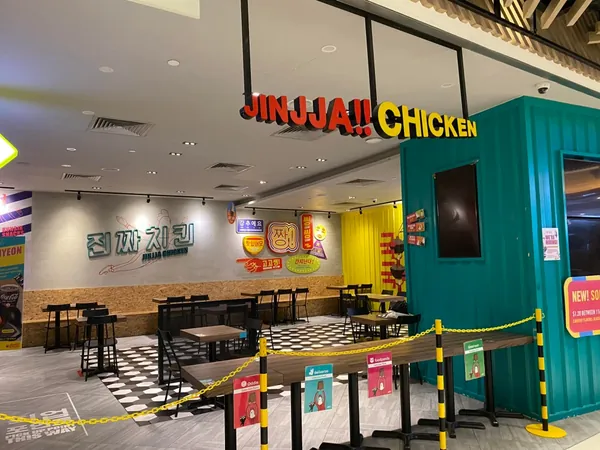
In a bold revelation that’s shaking up the food scene, Singaporean entrepreneur Bernard Tay has officially unveiled the true origins of his popular fried chicken chain, Jinjja Chicken, confirming it is 100% Singaporean, not Korean.
Since its debut in 2015, Jinjja Chicken has taken Singapore by storm, operating eight bustling locations and raking in around S$10 million annually. Tay, who co-owns the brand with a fellow Singaporean, is now calling for local support for culinary entrepreneurs.
Tay passionately stated, "We are a Singaporean brand, and we are also doing well overseas. It's time for Singaporeans to embrace those who dare to introduce non-local cuisines." This declaration comes as Jinjja enters international markets, with franchises opening across Indonesia, Malaysia, and Brunei.
Interestingly, Tay noted that many patrons mistakenly perceive Jinjja as an authentic South Korean brand. In fact, he once faced a customer exodus at his Northpoint City outlet when someone realized the brand was not South Korean owned—a moment that left him questioning perceptions of authenticity in the culinary world.
Before launching Jinjja, Tay was immersed in his family's food business, Molly’s Nonya Kuehs. He pooled together S$350,000 from personal savings and a bank loan to kickstart his dream, opening the first outlet in Bugis Village.
Tay, despite lacking formal culinary training, rolled up his sleeves and worked tirelessly in the kitchen through those early days, pouring in 14-hour shifts filled with hard work—from food preparation to dishwashing.
With an eye toward quality and inclusivity, Tay secured halal certification for Jinjja, appealing to a wider audience and confirming his commitment to offering great food to all. His wife, Christine, joined the venture in 2016 as the marketing director, helping to navigate the brand’s identity and outreach.
In a world where authenticity is often questioned, Tay’s journey stands out. It’s a reminder that the spirit of entrepreneurship can flourish without geographical constraints—who knew your favorite Korean fried chicken could have such a uniquely Singaporean twist?
 Brasil (PT)
 Canada (EN)
 Chile (ES)
 Česko (CS)
 대한민국 (KO)
 España (ES)
 France (FR)
 Hong Kong (EN)
 Italia (IT)
 日本 (JA)
 Magyarország (HU)
 Norge (NO)
 Polska (PL)
 Schweiz (DE)
 Singapore (EN)
 Sverige (SV)
 Suomi (FI)
 Türkiye (TR)
 الإمارات العربية المتحدة (AR)