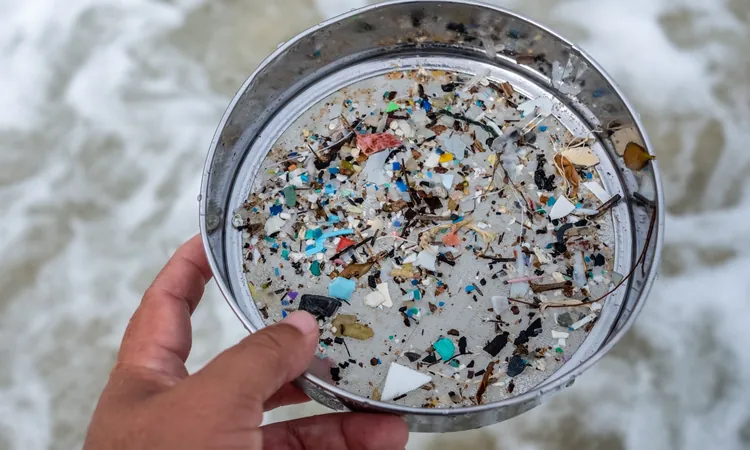
Microplastics: The Hidden Threat Lurking in Our Water Systems
2025-04-22
Author: Rajesh
The Unseen Danger of Microplastics
Every time we launder clothes, wash our faces, or flush away our waste, we trust that water treatment plants will cleanse the wastewater we send down the drain. But what if I told you that lurking beneath this illusion of safety is a grave problem? Microplastics, tiny particles measuring less than five millimeters, are slipping through our filtration systems and threatening our environment.
A Troubling Discovery
Recent research from The University of Texas at Arlington unveils a shocking truth: despite our advanced wastewater treatment systems, microplastics are still contaminating soil, rivers, and oceans. The repercussions of this pollution extend beyond just a hazy stream; they pose serious risks to human health and disrupt ecological balance in alarming ways.
The Role of Ubiquitous Plastics
In today’s world, plastics are everywhere. Their durability and low cost make them a staple in our lives—from food packaging and electronics to personal care products and clothing. However, this convenience comes at a cost. Rather than biodegrading, plastics fragment into microplastics, which now plague our waterways.
Insights from Experts
Research lead Un-Jung Kim emphasizes, "Most wastewater facilities do reduce microplastic loads, but total removal is still out of reach with current technologies." As these tiny particles make their way through systems, they often carry toxic chemicals like bisphenols and PFAS compounds, which we might ingest through drinking water or even while watering our plants.
What Are Microplastics?
The type of microplastics causing concern includes microfibers and microbeads. Microfibers, primarily shed from synthetic fabrics during laundry, are the most common offenders. Their thread-like nature allows them to transport harmful dyes and additives into aquatic ecosystems. Meanwhile, microbeads, although less prevalent due to recent bans, remain lingering contaminants in wastewater systems.
Gaps in Technology and Research
The review points to variances in treatment effectiveness based on the technology employed and how microplastics are measured. Researcher Jenny Kim Nguyen notes that inconsistencies in sampling and detection techniques complicate our understanding and response to this issue. Don't we deserve standardized methods to tackle a problem that's spiraling out of control?
Chemical Interactions and Health Risks
Microplastics don't just sit idly; they absorb hazardous chemicals and carry these toxins into our environment. Their sponge-like nature means they can intensify the dangers posed by pollutants, thereby amplifying their effects on both ecosystems and human health. Although studies have largely focused on the effects of microplastics on aquatic life, increasing evidence suggests they can also infiltrate our bodies, leading to serious health implications.
Taking Action: What Can Be Done?
Now more than ever, public awareness and individual action can make a difference in combating microplastic pollution. Experts urge consumers to select textiles that are free from plastic polymers and to adopt mindful laundry practices, such as employing fabric filters and reducing wash frequency. But it can't stop there; government regulation and public education are critical to tackling this crisis.
The Path Forward
The alarming findings from Nguyen and her team are a clarion call for action against microplastics. Their groundbreaking research emerges at a pivotal moment, pushing for the development of targeted removal technologies and robust legislation designed to combat this invisible menace. With awareness and timely interventions, we can start to address microplastic pollution before it becomes an irreversible catastrophe.
Final Thoughts
Though these microplastics are minuscule, the battle against them is monumental. It’s high time we recognize the implications of our everyday choices and take proactive measures for cleaner water and healthier communities. Let’s not wait until it’s too late to confront these invisible pollutants that threaten our lives.

 Brasil (PT)
 Canada (EN)
 Chile (ES)
 Česko (CS)
 대한민국 (KO)
 España (ES)
 France (FR)
 Hong Kong (EN)
 Italia (IT)
 日本 (JA)
 Magyarország (HU)
 Norge (NO)
 Polska (PL)
 Schweiz (DE)
 Singapore (EN)
 Sverige (SV)
 Suomi (FI)
 Türkiye (TR)
 الإمارات العربية المتحدة (AR)