Revolutionary Cancer Breakthrough: Blocking Erythropoietin Makes Liver Tumors Vulnerable to Immunotherapy
2025-04-24
Author: Li
Groundbreaking Discovery at Stanford University
In a shocking revelation, scientists at Stanford University have uncovered a pivotal role of erythropoietin (EPO) beyond its well-known function of stimulating red blood cell production. Nearly four decades after its identification, researchers have discovered that EPO actively suppresses the immune system's ability to fight cancer. This discovery could be a game-changer in cancer treatment, particularly for liver tumors.
Transforming Cold Tumors to Hot Targets
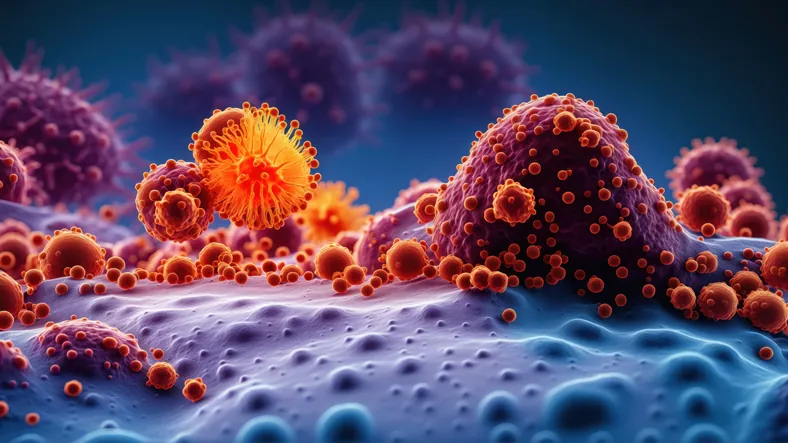
In preclinical studies, the team found that inhibiting EPO transformed previously 'cold' (immune-resistant) liver tumors in mice into 'hot' tumors brimming with immune cells ready to attack. This vital shift was made possible through the combination of EPO blockade and immunotherapy that further energizes these immune responders. Remarkably, the majority of treated mice saw their tumors completely regress and lived the entire duration of the study, while control mice survived only a few weeks.
Understanding Cancer's Immune Evasion
"This breakthrough fundamentally alters our understanding of how the immune system interacts with cancer," stated Dr. Edgar Engleman, a professor of pathology and medicine at Stanford, emphasizing the excitement surrounding the potential for human trials of these discoveries. Previous research indicated that EPO, a glycoprotein hormone, could negatively impact tumor growth, and high levels of EPO are associated with poor patient outcomes across various cancers.
The EPO Connection: A Barrier to Immunotherapy
Despite the promise of immunotherapy, many tumors devise clever ways to evade the immune system. The study revealed that EPO plays a crucial role in creating an immunosuppressive environment, particularly in liver cancer. The research team targeted factors that influence antitumor immunity, pinpointing EPO's contribution as a significant barrier to effective treatments.
The Power of Tumor Microenvironment
Notably, the research showed that 'cold' tumors exhibited higher EPO levels, likely due to hypoxia—an oxygen-poor condition common in such tumors. This elevated EPO, produced in response to low oxygen, effectively shields the tumors from immune detection by altering macrophage activity, further perpetuating an environment hostile to T cells.
A Promising Strategy for Treatment
In their experiments, the research team confirmed that blocking EPO signaling could dramatically shift tumor outcomes. Mice with cold tumors that were modified to stop producing EPO became responsive to anti-PD-1 treatment, leading to tumor regression. Conversely, previously responsive tumors thrived when they were modified to produce high EPO levels.
Paving the Way for Future Therapies
Engleman and his team now aim to develop treatments that specifically target the EPO signaling pathway in human cancers. While indiscriminate targeting of EPO could result in anemia, selectively blocking EPO receptors on tumor-associated macrophages could circumvent this limitation. Engleman stated, "I'm incredibly optimistic that our findings will lead to powerful new therapies for cancer."
Broader Implications Beyond Liver Cancer
Although the research has primarily focused on liver cancer models, the correlations of high EPO levels with poor prognosis across various malignancies suggests that these mechanisms may also apply to other cancer types. Targeting the EPO/EPOR axis could broaden the scope of effective treatments against solid tumors, potentially revolutionizing cancer care.
 Brasil (PT)
 Canada (EN)
 Chile (ES)
 Česko (CS)
 대한민국 (KO)
 España (ES)
 France (FR)
 Hong Kong (EN)
 Italia (IT)
 日本 (JA)
 Magyarország (HU)
 Norge (NO)
 Polska (PL)
 Schweiz (DE)
 Singapore (EN)
 Sverige (SV)
 Suomi (FI)
 Türkiye (TR)
 الإمارات العربية المتحدة (AR)