Revolutionary Liquid Biopsy: mRNA Test Detects Cancer and More!
2025-04-23
Author: Arjun
Breakthrough in Cancer Detection: Meet the New Liquid Biopsy!
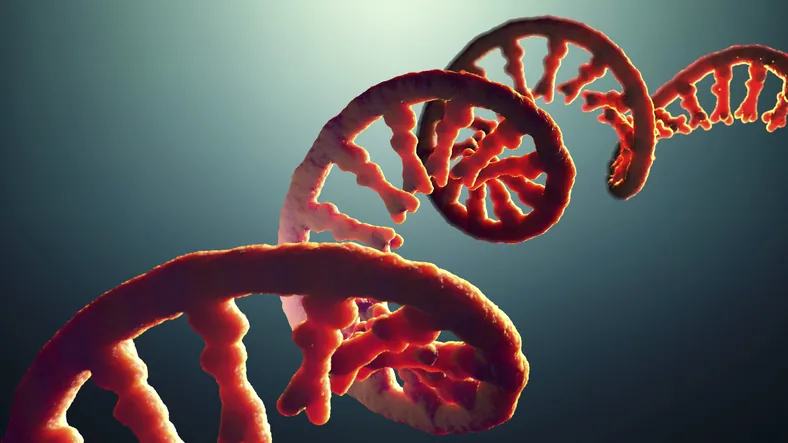
Researchers at Stanford Medicine have unveiled an innovative liquid biopsy that utilizes messenger RNA (mRNA) to detect cancer, treatment resistance, and even tissue damage from non-cancerous conditions! This pioneering work, featured in the journal *Nature*, introduces a method called RARE-seq, which took over six years to develop, marking a significant leap in the field of clinical biomarkers.
How It Works: Lessons from the Past!
Co-lead author Maximilian Diehn, MD, PhD, likens their method to archeology, stating, "Just as archaeologists uncover ancient societies through their discarded relics, we can glean insights from the degraded RNA circulating in a patient's bloodstream." This sensitive and versatile liquid biopsy measures cell-free and circulating-tumor RNA, paving the way for a more personalized approach to medicine.
Going Beyond Traditional Methods!
Unlike conventional liquid biopsies that primarily target tumor-derived DNA and depend on finding mutations, RARE-seq focuses on cell-free messenger RNA (cfRNA). This mRNA represents live gene activity, offering clues about cancer behavior and therapy resistance driven by non-mutational changes—an area often overlooked by DNA tests.
Precision Detection: A Game Changer!
In their tests involving 437 plasma samples from 369 individuals, including cancer patients and healthy controls, RARE-seq demonstrated astounding accuracy. For patients with non-small-cell lung cancer (NSCLC), the method identified cancer RNA signatures in 30% of stage I cases and an impressive 83% in stage IV, boasting a specificity of 95%! This performance eclipses that of traditional ctDNA methods, especially in the critical early stages of the disease.
Tracking Disease Resistance!
RARE-seq isn't just about diagnosis; it also helps track resistance to therapies like EGFR tyrosine kinase inhibitors in lung cancer patients. The researchers discovered mechanisms of resistance that were not reliant solely on genetic mutations, illustrating how cancer cells adapt over time.
A Broader Applicability!
The benefits of this innovative test extend far beyond oncology. It successfully detected high levels of normal lung RNA in patients on ventilators for acute respiratory distress syndrome, signaling lung damage. Additionally, it provided insights into injuries in smokers, revealing microscopic lung injuries even in healthy individuals.
What's Next for RARE-seq?
With such promising results, the Stanford team is gearing up for further clinical studies to explore additional applications. They aim to develop standardized protocols that could usher RARE-seq into regular clinical practice, potentially transforming how we monitor and treat various medical conditions!
 Brasil (PT)
 Canada (EN)
 Chile (ES)
 Česko (CS)
 대한민국 (KO)
 España (ES)
 France (FR)
 Hong Kong (EN)
 Italia (IT)
 日本 (JA)
 Magyarország (HU)
 Norge (NO)
 Polska (PL)
 Schweiz (DE)
 Singapore (EN)
 Sverige (SV)
 Suomi (FI)
 Türkiye (TR)
 الإمارات العربية المتحدة (AR)