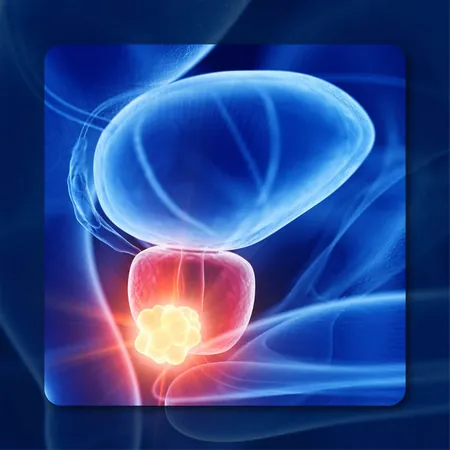
Rural Living and ADT Use Significantly Impact Quality of Life for Bladder and Prostate Cancer Patients
2025-03-22
Author: Arjun
Rural Residents Experience Better HRQOL After Cystectomy
The prospective study revealed a clear trend: rural patients had better HRQOL outcomes during short-term follow-ups (P = .001-.037). Notably, one year post-surgery, both urban and rural patients showed improvements in overall HRQOL linked to enhanced physical and emotional functioning as well as urinary continence; however, rural residents also exhibited better social and family well-being, leading to even higher HRQOL ratings (P = .042).
Dr. Thilo Westhofen, the lead author, emphasized that while physical and emotional health are crucial for all patients, social support uniquely benefits rural patients' overall quality of life.
This study analyzed data from 1,514 patients who had undergone radical cystectomy at a major tertiary care center, out of which 576 were urban and 938 were rural residents. Researchers utilized advanced statistical methods, such as Spearman's rank correlation, to explore how geographical factors influenced HRQOL outcomes. Interestingly, the study pointed out that rural patients often deal with more significant barriers in accessing healthcare, which could lead to worse oncological results following surgery.
The Hidden Costs of Androgen Deprivation Therapy (ADT) for Prostate Cancer
In a separate segment of the research, the impact of androgen deprivation therapy (ADT) on HRQOL for prostate cancer patients was analyzed. This involved 1,124 patients who had received postoperative radiotherapy after radical prostatectomy. The findings are concerning; those undergoing ADT, typically prescribed to minimize cancer recurrence, reported significantly worse HRQOL outcomes compared to those who did not receive ADT.
The median duration of ADT in this patient group was 21 months, but the ramifications extended far beyond initial treatment. Long-term analysis showed that those on ADT experienced a decline in global health status (P = .001-.039), making ADT an independent predictor of diminished HRQOL (odds ratio [OR], 0.68; 95% CI, 0.47-0.96; P = .03). Factors such as erectile functioning and urinary continence further contributed to the negative outlook, with longer ADT durations correlating with poorer overall quality of life (P < .001).
Conclusion: Rethinking Patient Care Based on Geography and Treatment Protocols
These studies underscore the importance of considering geographical residency and treatment modalities when evaluating patient outcomes in bladder and prostate cancer. While rural living may offer unexpected advantages for bladder cancer patients, the burdens associated with ADT's side effects for prostate cancer patients cannot be overlooked.
Overall, these findings pave the way for more tailored approaches in cancer treatment, suggesting that healthcare providers might need to adapt their strategies based on the unique challenges faced by urban and rural patients alike.
Stay tuned as we bring you more updates from the world of cancer research, where new findings could redefine treatment protocols and improve patient care!

 Brasil (PT)
 Canada (EN)
 Chile (ES)
 Česko (CS)
 대한민국 (KO)
 España (ES)
 France (FR)
 Hong Kong (EN)
 Italia (IT)
 日本 (JA)
 Magyarország (HU)
 Norge (NO)
 Polska (PL)
 Schweiz (DE)
 Singapore (EN)
 Sverige (SV)
 Suomi (FI)
 Türkiye (TR)
 الإمارات العربية المتحدة (AR)