Shocking Discovery: Micronanoplastics Linked to Stroke Risk in Neck Plaque!
2025-04-22
Author: Yu
The Hidden Dangers of Micronanoplastics
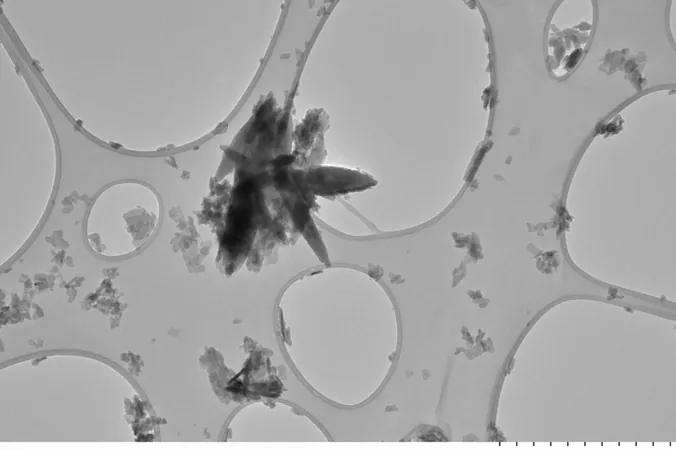
A groundbreaking new study has revealed alarming findings about the presence of micronanoplastics—tiny bits of plastic—in carotid artery plaque. This fatty buildup in the neck's arteries may contain up to 50 times more of these plastics compared to arteries that are free from plaque. Given that plaque can lead to strokes, this discovery raises serious concerns for public health.
How Do We Ingest Micronanoplastics?
Micronanoplastics originate from industrial processes or the degradation of larger plastic objects. Everyday activities expose people to these microscopic particles, often unknowingly, as they permeate our food and drinking water through environmental pollution. Researchers warn that there's currently no effective way to avoid exposure.
A Deep Dive into the Research
Presented at the American Heart Association’s recent scientific sessions in Baltimore, the study examined risk levels in individuals with varying health conditions. It found that those with stroke history had significantly higher levels of these plastics deposited in their carotid arteries. The research involved fewer than 50 participants but builds on earlier studies suggesting a troubling link between carotid plaque and micronanoplastic exposure.
What the Numbers Reveal!
The study uncovered that individuals with carotid plaque but no symptoms had 16 times higher levels of micronanoplastics compared to tissue donors without plaque. Even more disturbing, those with stroke symptoms had 51 times higher levels! This raises crucial questions about the implications of plastic pollution on vascular health.
Unpacking the Biological Impact
Beyond mere presence, researchers delved into how these plastics affect our biology. While no direct link between micronanoplastics and sudden inflammation was found, the study highlighted differences in how cells react to these particles. This suggests that their role in medical conditions could be both intricate and significant.
Experts Weigh In
Dr. Ross Clark, the lead author and a vascular surgeon-scientist, underscores the need for caution when interpreting these early findings, stressing that we might not grasp the complete biological effects of micronanoplastics for years. Other experts, such as Dr. Karen Furie from Brown University, express the potential of this association as a new target for stroke prevention, suggesting that long-term exposure to these pollutants could be a modifiable risk factor in stroke patients.
What's Next?
As researchers continue to investigate this shocking connection, there is a pressing need for further studies. The focus will be on understanding the immunological effects of micronanoplastics and their complex interactions with human health. With plastic pollution being a growing global concern, keeping a keen eye on how it affects our health is more crucial than ever.
Conclusion: A Call for Awareness
The implications of these findings call for greater awareness about the hidden dangers of plastic pollution. As researchers uncover more about how microscopic plastic particles may influence our health, it's vital that we stay informed. The power to protect ourselves extends beyond individual choices; collective action towards reducing plastic waste could be key to a healthier future.


 Brasil (PT)
 Canada (EN)
 Chile (ES)
 Česko (CS)
 대한민국 (KO)
 España (ES)
 France (FR)
 Hong Kong (EN)
 Italia (IT)
 日本 (JA)
 Magyarország (HU)
 Norge (NO)
 Polska (PL)
 Schweiz (DE)
 Singapore (EN)
 Sverige (SV)
 Suomi (FI)
 Türkiye (TR)
 الإمارات العربية المتحدة (AR)