Shocking Discovery: Microplastics Found in Human Ovaries!
2025-04-19
Author: Mei
Microplastics Detected in Ovary Follicular Fluid
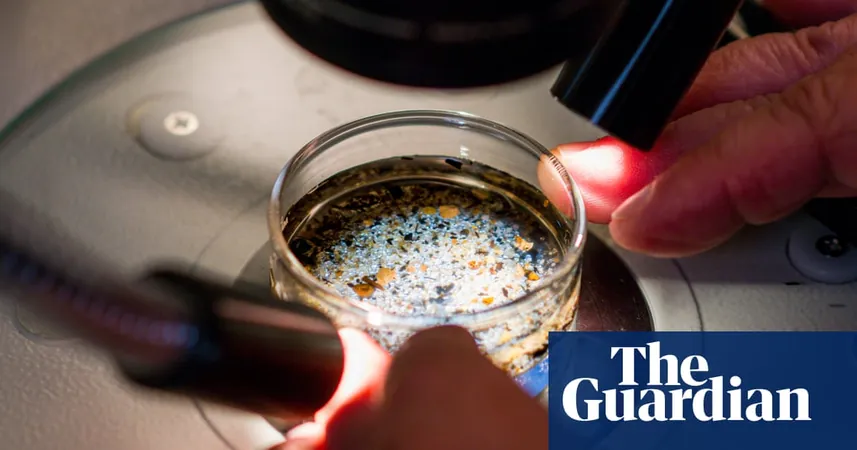
For the first time ever, microplastics have been discovered in human ovary follicular fluid, igniting urgent concerns over their potential effects on women's fertility. Groundbreaking research published in the journal *Ecotoxicology and Environmental Safety* reveals that microplastics were present in the follicular fluid of 14 out of 18 women undergoing assisted reproductive treatment at a fertility clinic in Salerno, Italy.
Implications for Women's Health
Follicular fluid is crucial for nourishing and signaling developing eggs. The contamination of this essential fluid with plastic particles raises alarms about its implications for fertility, hormonal balance, and overall reproductive health. Luigi Montano, a leading researcher from the University of Rome, termed these findings 'very alarming,' underscoring the invasive nature of microplastics in the female reproductive system.
Microplastics: A Global Threat
Microplastics have infiltrated every corner of our planet—from the peaks of Mt. Everest to the depths of the Mariana Trench. They're prevalent in our food supply, with recent studies detecting them in all tested meat and produce products. These tiny particles pose serious risks as they can harbor over 16,000 toxic chemicals, including PFAS, bisphenol, and phthalates—substances linked to cancer, hormone disruption, and neurotoxic effects.
Impact on Fertility
Montano’s research is part of a larger investigation into how microplastics affect fertility. He has also identified these toxic particles in human urine and semen, suspecting they contribute to declining sperm counts and quality. 'We have proven this decline, especially in polluted regions,' Montano stated, hinting at the broader ramifications of microplastic exposure.
Animal Studies and Gender Differences
While men may suffer more from the toxic effects of microplastics, women are not exempt. Animal research has linked microplastics to ovarian dysfunction, reduced egg maturation, and a decreased ability to fertilize. One mouse study noted disturbing alterations in ovarian tissue.
Understanding the Risks
The study points to a potential correlation between microplastic concentration and reproductive health in the women involved. Montano warns that toxic chemicals, often carried by microplastics like a 'Trojan horse,' pose significant threats to female reproductive health.
Need for Further Research
Xiaozhong Yu, a microplastics researcher from the University of New Mexico, remarked on the importance of this findings but called for more research to quantify how exposure levels relate to adverse health effects. His team is already exploring broader epidemiological questions.
Reducing Exposure to Microplastics
In the face of such pervasive plastic pollution, Montano’s team is investigating whether reducing plastic use in kitchens and adopting organic diets can lower microplastic levels in the body. While eliminating microplastic exposure entirely is nearly impossible, practical steps such as minimizing plastic packaging and utensils can likely mitigate risks. Experts also advise against heating plastic containers or storing hot food in them.
As research progresses, the findings serve as a wake-up call to address this modern threat to reproductive health and well-being!
 Brasil (PT)
 Canada (EN)
 Chile (ES)
 Česko (CS)
 대한민국 (KO)
 España (ES)
 France (FR)
 Hong Kong (EN)
 Italia (IT)
 日本 (JA)
 Magyarország (HU)
 Norge (NO)
 Polska (PL)
 Schweiz (DE)
 Singapore (EN)
 Sverige (SV)
 Suomi (FI)
 Türkiye (TR)
 الإمارات العربية المتحدة (AR)