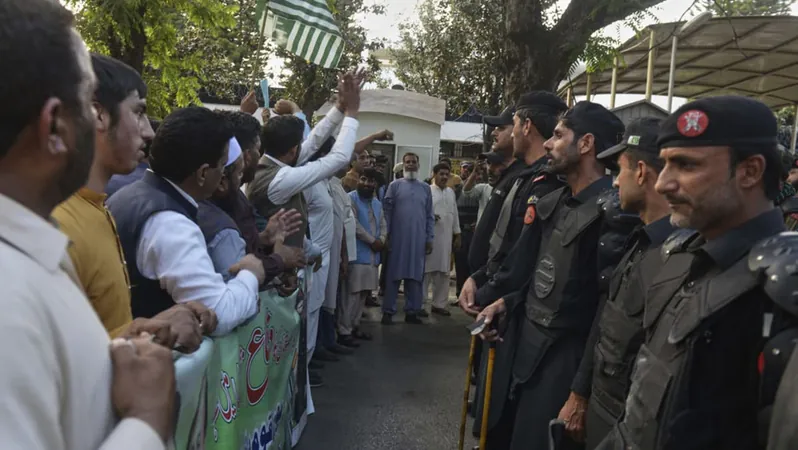
Tensions Surge as Indian and Pakistani Forces Clash in Kashmir
2025-04-25
Author: Ming
Overnight Violence Erupts in Disputed Region
In a worrying escalation of hostilities, Indian and Pakistani troops exchanged gunfire across the Line of Control in Kashmir late Thursday, just days after the United Nations urged both nations to exercise "maximum restraint" following a deadly attack that left 26 civilians dead.
A New Low in Relations
Relations between India and Pakistan have hit rock bottom once again, with India accusing Pakistan of fueling "cross-border terrorism". This comes in the wake of what officials are calling the worst assault on civilians in the region in 25 years.
Troops Clash, Civilians Safe—For Now
Syed Ashfaq Gilani, an official in Pakistan-administered Kashmir, confirmed to AFP that troops exchanged fire but reassured that civilians were unharmed during this latest round of violence. India's army reported that the shooting started from the Pakistani side and responded accordingly.
UN Calls for Peaceful Engagement
Amid rising tensions, UN spokesperson Stephane Dujarric emphasized that diplomatic solutions are essential, urging both governments to avoid further escalation. "Issues between the countries can be resolved peacefully through meaningful mutual engagement," he stated.
Modi's Vow: Hunt Down Terrorists
Following the brutal attack, Indian Prime Minister Narendra Modi promised to track down the gunmen responsible, two of whom have been identified as Pakistani nationals. Modi declared, "I say to the whole world: India will identify, track and punish every terrorist and their backers," asserting that India wouldn't rest until they were brought to justice.
Pakistan's Strong Rebuttal
In a fierce response, Pakistan's government dismissed any allegations linking them to the violence as frivolous, vowing to take strong defensive measures against any perceived aggression from India. Prime Minister Shehbaz Sharif convened national security discussions with military leaders, signaling a united front.
Deteriorating Diplomatic Relations
As tensions mounted, New Delhi took drastic actions, suspending a critical water-sharing treaty and closing main border crossings with Pakistan. Pakistan retaliated by expelling Indian diplomats and cancelling visas, amplifying the strain between the two nations.
A Shift in Tactics?
Experts are noting a significant change in the recent tactics used by Kashmiri rebels, shifting their focus from targeting Indian security forces to attacking civilians. Modi's alarming remarks—"Whatever little land these terrorists have, it's time to reduce it to dust"—indicate that a military response may be on the horizon, reminiscent of previous conflicts that brought both nations to the brink of war.
A History of Conflict
The Kashmir dispute dates back to 1947 when both nations gained independence from British rule. Since then, multiple insurgencies and military confrontations have occurred, leaving thousands dead. The frequency and intensity of violence in the region have only escalated over the years, with calls for independence or merger with Pakistan growing louder among certain groups.
What's Next?
With ongoing military exercises by India's air force and navy, the situation remains volatile. The eyes of the world are watching closely as both nations navigate this treacherous path, which could lead to further conflict or possibly a glimmer of hope for peace.

 Brasil (PT)
 Canada (EN)
 Chile (ES)
 Česko (CS)
 대한민국 (KO)
 España (ES)
 France (FR)
 Hong Kong (EN)
 Italia (IT)
 日本 (JA)
 Magyarország (HU)
 Norge (NO)
 Polska (PL)
 Schweiz (DE)
 Singapore (EN)
 Sverige (SV)
 Suomi (FI)
 Türkiye (TR)
 الإمارات العربية المتحدة (AR)