The Hidden Danger of La Crosse Virus Disease: A Deadly Mosquito-Borne Illness
2025-04-24
Author: Sarah
Unmasking La Crosse Virus Disease
La Crosse virus disease, a rare but alarming mosquito-borne illness, originates from La Crosse County, Wisconsin, where it was first identified in the 1960s. While only about 30 to 90 cases are reported across the United States each year, its impact is predominantly felt among children and young males—around 60% of cases affect boys, with 90% occurring in those under 20.
The Silent Spread: How It Transmits
This disease flourishes during late spring through early fall when mosquito populations soar, particularly in the Upper Midwest, Mid-Atlantic, and Southeastern states. Surprisingly, La Crosse virus has never crossed U.S. borders.
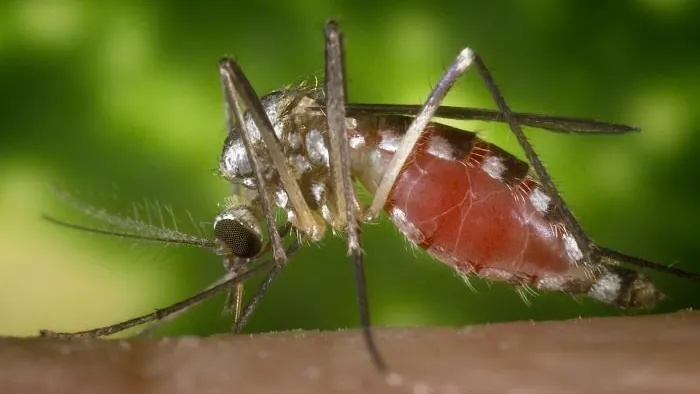
The Mosquito Menace: Meet Aedes triseriatus
The La Crosse virus is primarily transmitted through the bites of Aedes triseriatus mosquitoes, which breed in tree holes and stagnant water. Those who spend time in wooded or rural areas are at greater risk, as they are more likely to encounter these disease-carrying pests.
A One-Way Ticket: Understanding Infection
Once inside the human body, the La Crosse virus can infiltrate the central nervous system, wreaking havoc on neurons, particularly in the brain. It's crucial to note that La Crosse virus disease is not transmitted from person to person; it’s only acquired through mosquito bites. In fact, mosquitoes don't transmit the virus from infected humans since the virus never reaches significant levels in human blood.
Symptoms: When a Bite Turns Dangerous
Shockingly, around 96% of those exposed to the La Crosse virus show no symptoms at all. However, the unlucky few may encounter fever, headache, nausea, and vomiting within 3 to 10 days of infection. For some, particularly children under 16, these initial symptoms can escalate to severe brain inflammation, known as encephalitis, with about 75% of such cases affecting kids.
The Fatality Rate and Aftermath
While the fatality rate from La Crosse encephalitis is thankfully under 1%, survivors may face long-lasting consequences. Approximately 5% to 15% of those recovering from encephalitis may suffer from recurring seizures.
No Cure in Sight: What to Do?
Currently, there is no cure for La Crosse virus disease, nor is there a vaccine available. Treatment focuses on supportive care, especially for those hit hardest by its symptoms. Stay vigilant, especially during peak mosquito season, to protect yourself from this hidden danger.
Other Rare Diseases to Watch Out For
In the realm of rare illnesses, La Crosse virus disease isn't alone. There are other obscure diseases, like one that induces uncontrollable movements or the hantavirus, which poses a severe respiratory threat, and even a rare bacterial infection causing pustular sores in vital organs. Stay informed!


 Brasil (PT)
 Canada (EN)
 Chile (ES)
 Česko (CS)
 대한민국 (KO)
 España (ES)
 France (FR)
 Hong Kong (EN)
 Italia (IT)
 日本 (JA)
 Magyarország (HU)
 Norge (NO)
 Polska (PL)
 Schweiz (DE)
 Singapore (EN)
 Sverige (SV)
 Suomi (FI)
 Türkiye (TR)
 الإمارات العربية المتحدة (AR)