The Rising Tide of Atopic Dermatitis: A Looming Crisis for Older Adults by 2050
2025-04-21
Author: John Tan
Atopic Dermatitis on the Rise Among Seniors
A startling new analysis reveals that the number of older adults suffering from atopic dermatitis (AD) has skyrocketed. Between 1990 and 2021, cases in adults aged 60 and over surged by 107%, now affecting more than 11 million individuals worldwide, according to findings published in Frontiers in Public Health. Despite a slight decline in age-standardized rates, the researchers predict this health crisis will only worsen by 2050, highlighting an urgent need for specialized public health strategies to protect this vulnerable demographic.
The Alarming Statistics Behind Atopic Dermatitis
Lead researcher Jin Chen from Chongqing Medical University points out that while the global incidence of AD among older adults climbed to 1.4 million, this uptick is primarily a result of an aging population rather than increased disease prevalence. The overall age-standardized prevalence rates have paradoxically decreased from 1117 to 1017 cases per 100,000 people during the same period.
A Rarely Discussed Health Issue
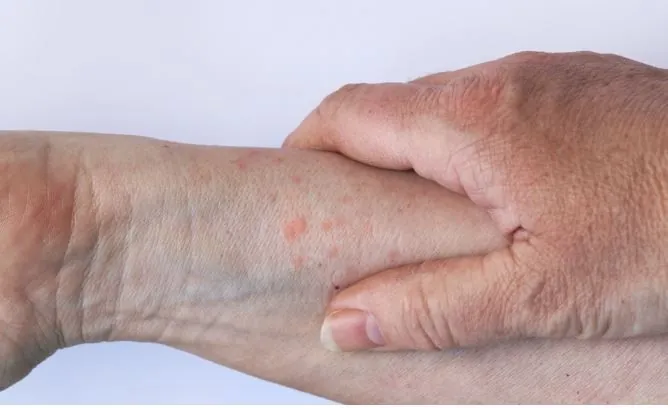
AD, often viewed as a childhood ailment, can persist or even first appear in adulthood, exerting a significant toll on quality of life. Older adults with AD typically experience severe symptoms and a higher incidence of trunk involvement. With their skin barrier weakening due to age, these individuals are more susceptible to environmental triggers that can exacerbate their condition.
Gender and Age Factors in Atopic Dermatitis
The analysis also unearthed fascinating gender and age trends. Women aged 60 and above displayed nearly 2 million more cases of AD than men—a trend that persisted across all demographics. Interestingly, the incidence peaked in the 75-79 age group, while prevalence peaked in those aged 85-89, signaling that older women face the brunt of this escalating health issue.
Geographic Disparities in Atopic Dermatitis Burden
The burden of AD reveals significant geographic and socioeconomic disparities. Regions with high sociodemographic index levels—such as North America, Western Europe, and parts of Latin America—reported the highest incidence and prevalence of AD among older adults. The study highlights that while age-standardized disability-adjusted life years (DALYs) may decline, the absolute numbers will climb, posing formidable challenges for healthcare systems worldwide.
Looking Ahead: A Rising Challenge by 2050
As we gaze into the future, projections indicate an ongoing increase in the absolute burden of AD among the elderly. While trends suggest that DALY rates might decrease slightly over the next few decades, the overall scenario remains bleak, with more older adults facing this persistent condition. The researchers emphasize that targeted strategies for prevention and management of AD are vital, especially for women in the 80-89 bracket who are especially hard-hit.
Urgent Action Needed
With these findings in hand, the call to action is clear: healthcare systems must gear up for the impending increase in older adult AD cases. As we approach 2050, it’s time to implement effective interventions and raise awareness of this chronic condition that far too often flies under the radar.

 Brasil (PT)
 Canada (EN)
 Chile (ES)
 Česko (CS)
 대한민국 (KO)
 España (ES)
 France (FR)
 Hong Kong (EN)
 Italia (IT)
 日本 (JA)
 Magyarország (HU)
 Norge (NO)
 Polska (PL)
 Schweiz (DE)
 Singapore (EN)
 Sverige (SV)
 Suomi (FI)
 Türkiye (TR)
 الإمارات العربية المتحدة (AR)