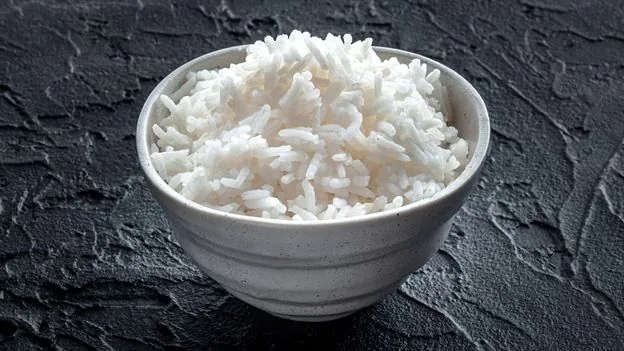
The Shocking Impact of Climate Change on Arsenic Levels in Rice: What You Need to Know
2025-04-18
Author: Jia
A Global Staple at Risk
Rice, a dietary cornerstone for over half the world's population, is facing a silent threat: rising arsenic levels linked to climate change. As billions rely on rice as a primary food source, this revelation raises serious health concerns.
The Arsenic Dilemma
Research has long indicated that nearly all rice contains some level of arsenic, a toxic element that can seep into grains from contaminated soil. However, new findings suggest that as carbon emissions rise and global temperatures increase, arsenic levels in rice could dangerously escalate.
The Alarming Findings of Recent Research
A study conducted over ten years by experts, including Lewis Ziska from Columbia University, discovered a direct correlation between increasing atmospheric carbon dioxide and higher arsenic concentrations in rice. They found that this uptick could lead to an estimated 19.3 million new cancer cases in China alone, as arsenic is a known carcinogen linked to various serious health issues including heart disease and diabetes.
The Future’s Grim Forecast
Using projections from the Intergovernmental Panel on Climate Change, researchers warned of a worst-case scenario where global temperatures rise by 2 degrees Celsius and CO2 levels climb significantly. These conditions could severely impact rice crops worldwide—not just in China, but also in Europe and the United States where inorganic arsenic is prevalent.
Cooking Your Rice Wisely
In light of these potential health risks, researchers recommend several cooking methods to reduce arsenic levels in rice. One effective technique involves parboiling rice in pre-boiled water for five minutes before cooking it on low heat. Notably, white rice tends to have lower arsenic content compared to brown rice.
Why Is Arsenic in Our Rice?
The reason behind the alarming presence of arsenic lies in how rice is generally cultivated—primarily in flooded paddy fields. This anaerobic environment promotes growth of arsenic-loving bacteria, making the toxic element more bioavailable to the rice plants. As climate change exacerbates temperature and CO2 levels, these bacteria thrive and further increase arsenic uptake in rice.
A Call for Action
Given the substantial risks posed by arsenic, experts urgently call for better monitoring and management of rice cultivation practices. With millions relying on rice for sustenance, the need for effective strategies—like developing low-arsenic rice varieties or altering irrigation techniques—has never been more pressing.
Global Health Implications
Staggering statistics highlight the urgency of this issue: globally, an estimated 140 million people consume water with arsenic levels exceeding WHO guidelines. In the U.S., over 2 million people may unknowingly drink water laden with harmful concentrations. With rice being the primary dietary exposure to arsenic, the health of millions hangs in the balance.
Changing the Narrative Around Rice
As awareness grows around the dangers of arsenic in rice, consumers are encouraged to become informed about sourcing and cooking methods for rice. The future of safe consumption may depend on both personal choices and global policy changes to address this critical health concern.
In Conclusion
While rice remains an indispensable part of diets worldwide, ongoing research and initiatives are essential to ensure that it doesn't become a source of harmful exposure. With climate change tightening its grip, the stakes have never been higher.
 Brasil (PT)
 Canada (EN)
 Chile (ES)
 Česko (CS)
 대한민국 (KO)
 España (ES)
 France (FR)
 Hong Kong (EN)
 Italia (IT)
 日本 (JA)
 Magyarország (HU)
 Norge (NO)
 Polska (PL)
 Schweiz (DE)
 Singapore (EN)
 Sverige (SV)
 Suomi (FI)
 Türkiye (TR)
 الإمارات العربية المتحدة (AR)