Unlocking Secrets of Reproductive Health: How Seals Could Hold the Key
2025-04-15
Author: Wei Ling
Seals as Nature's Ingenious Innovators
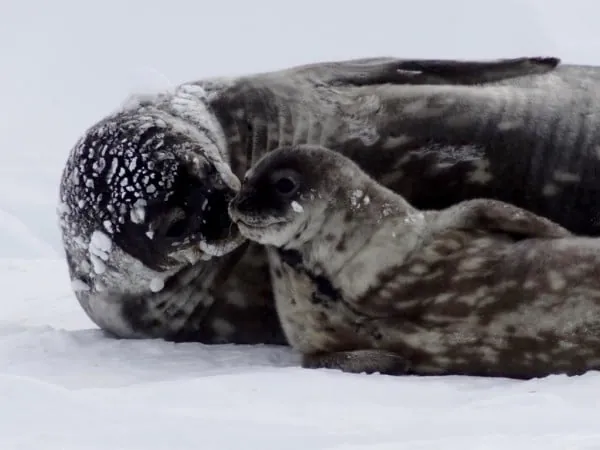
In an exciting breakthrough, researchers are turning to the world of seals to uncover new solutions for human reproductive health challenges. A groundbreaking study by Michelle Shero, an assistant scientist at the Woods Hole Oceanographic Institution, suggests that the adaptations of these marine mammals could inspire revolutionary changes in how we understand and treat reproductive issues in humans.
Fasting and Reproductive Success
One striking feature of seals is their remarkable ability to fast for extended periods, losing up to 30% of their body weight while nursing. This adaptability could offer crucial insights into human reproductive physiology. Seals also have a fascinating capability known as embryonic diapause, allowing them to delay pregnancy and time births for warmer weather or better food availability. This trait could lead to breakthroughs in human fertility treatments.
Rethinking Insulin Resistance
In a surprising twist, the study reveals that seals challenge our understanding of insulin resistance. Unlike in humans, where insulin resistance can lead to complications like gestational diabetes, it seems advantageous for seals during their prolonged fasting. This could illuminate new pathways for managing diabetes in pregnant women, potentially improving outcomes for both mother and child.
Diving into Adaptability
Seals are experts at dealing with low oxygen levels while diving deep underwater. They have evolved strategies to maximize their oxygen use, prioritizing vital organs while minimizing oxygen consumption in less critical areas. Understanding these mechanisms could shed light on how human fetuses cope with oxygen deprivation during birth, potentially reducing long-term complications.
A New Approach to IVF?
Shero theorizes that the ability to pause embryonic development, as seen in seals, could be present in mammals, including humans. This insight could revolutionize human in-vitro fertilization (IVF) practices. If embryos could naturally pause their growth, it would eliminate the damaging effects of freezing—potentially leading to higher success rates in IVF treatments.
Nature’s Lessons for Human Health
The findings from these wild creatures underscore the importance of looking to nature for innovative solutions to complex human health issues. The remarkable adaptations of seals may not only challenge our existing notions but also pave the way for new therapies in reproductive health.
As Shero concludes, to enhance human health outcomes, we must harness the extraordinary survival strategies of wildlife. By studying seals, we might just rewrite the future of reproductive medicine.

 Brasil (PT)
 Canada (EN)
 Chile (ES)
 Česko (CS)
 대한민국 (KO)
 España (ES)
 France (FR)
 Hong Kong (EN)
 Italia (IT)
 日本 (JA)
 Magyarország (HU)
 Norge (NO)
 Polska (PL)
 Schweiz (DE)
 Singapore (EN)
 Sverige (SV)
 Suomi (FI)
 Türkiye (TR)
 الإمارات العربية المتحدة (AR)