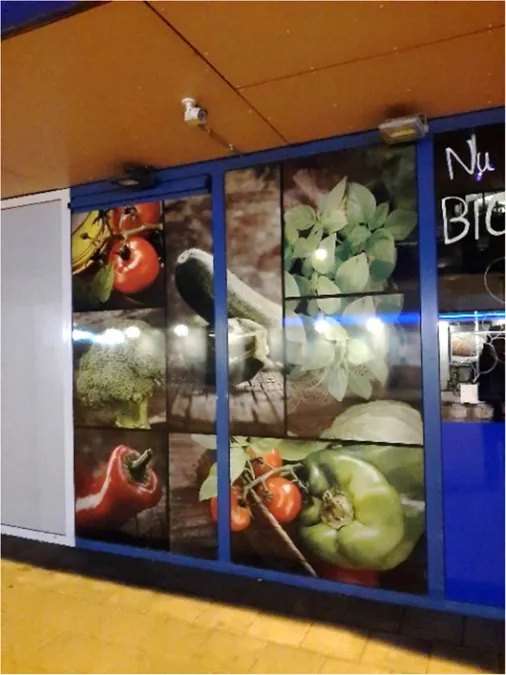
Unlocking the Influence of Outdoor Food Cues: A Groundbreaking Study Reveals How They Shape Our Eating Habits
2025-04-23
Author: John Tan
The Hidden Power of Food Cues in Our Environment
Overweight, obesity, and chronic diet-related diseases are rampant worldwide, primarily attributed to unhealthy eating patterns. Our eating behaviors are not just dictated by hunger; they are significantly swayed by our surrounding food environments, which often promote junk food over healthier options.
In modern settings, unhealthy food outlets dominate, with eye-catching advertisements lurking at every corner—whether on billboards or bus shelters. These visual food cues are a constant temptation, leading many to indulge without realizing the impact of these cues on their eating habits.
Understanding the Dynamics of Eating Behavior
Eating behavior is driven by a dual-process theory, where automatic (impulsive) and reflective (conscious) thought processes engage. Most often, it is these visual food cues that steer our automatic responses, triggering cravings and influencing our eating choices, even when we are not actively seeking food.
New Insights from a Unique Study in Wageningen, Netherlands
A recent photovoice study conducted in Wageningen explored residents’ perceptions of outdoor food cues and their relationship to eating behaviors. Participants were asked to document food cues they encountered in public spaces over a week. The aim was to not only understand these cues but also to gather perspectives on policies regulating unhealthy food advertising in public areas.
Taking part in this study allowed residents to uncover an overwhelming presence of unhealthy food cues: advertisements for fast food, sugary snacks, and other junk food seemed to dominate their visual landscape. Many expressed surprise at the sheer volume of unhealthy food marketing surrounding them.
Impactful Findings on Food Cues and Eating Choices
Participants reported that outdoor food cues, predominantly promoting unhealthy options, significantly shaped their perceptions of a healthy food environment. While they acknowledged a few cues that promoted healthy foods, most participants felt bombarded by messages encouraging unhealthy eating.
Interestingly, many participants recognized that their own eating behaviors might not be greatly influenced by these cues, but they were acutely aware of their potential impact on more vulnerable individuals.
A Call for Government Action on Food Regulation
As public health experts weigh in, there’s momentum for government action to reduce exposure to harmful food cues. Participants advocated for policies that would curtail the number of unhealthy food advertisements in public spaces, especially in areas frequented by children and families.
While there’s a general agreement on the need for regulation, opinions vary widely on how to achieve this without infringing on personal freedoms. Many believe individuals should be empowered to make their own health choices, while others see the necessity for decisive government intervention.
The Path Forward: Shaping Healthy Food Environments
This pioneering study emphasizes the significant gap in research regarding the influence of outdoor food environments on eating behaviors. By harnessing the voices of residents through lived experience research, municipalities can better design effective policies that reflect local sentiments and concerns.
Ultimately, regulating outdoor food cues could play a vital role in shifting dietary norms and promoting healthier eating habits in our communities. The time is ripe for local governments to engage citizens in discussions about how food cues shape their health, paving the way for a healthier future.
With compelling evidence on the impact of food cues, the call for structural changes grows louder. This study not only sheds light on the complex dynamics of food marketing but also champions the importance of community involvement in creating effective health policies.
 Brasil (PT)
 Canada (EN)
 Chile (ES)
 Česko (CS)
 대한민국 (KO)
 España (ES)
 France (FR)
 Hong Kong (EN)
 Italia (IT)
 日本 (JA)
 Magyarország (HU)
 Norge (NO)
 Polska (PL)
 Schweiz (DE)
 Singapore (EN)
 Sverige (SV)
 Suomi (FI)
 Türkiye (TR)
 الإمارات العربية المتحدة (AR)