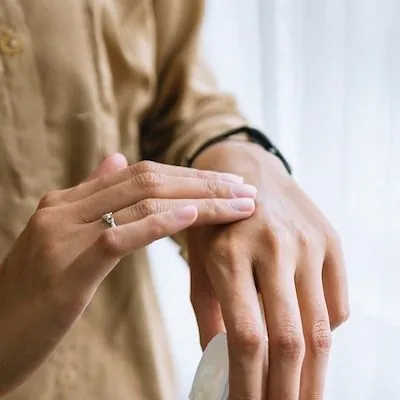
Unlocking the Link: How Education and Weight Influence Psoriasis Risk
2025-04-23
Author: Jia
New Findings in Psoriasis Research
Recent studies have uncovered compelling evidence that body weight and access to education might significantly influence the risk of developing psoriasis, a chronic skin condition affecting millions in the U.S. In fact, these factors may serve as important, modifiable mediators when it comes to reproductive traits and psoriasis.
The Study Breakdown
Utilizing a 2-sample Mendelian randomization approach, researchers examined how key reproductive factors, such as age at menarche and menopause, and number of live births, impact psoriasis, including psoriasis vulgaris (PV) and psoriatic arthritis (PsA). The study also integrated data from over a million individuals while adjusting for confounders like body mass index (BMI), education years, tobacco use, and alcohol consumption.
Psoriasis: A Widespread Concern
Psoriasis affects approximately 3% of adults over 20 in the U.S., translating to more than 7.5 million cases. Understanding what factors can be modified to lower the onset of this condition is crucial for public health.
The Role of Reproductive Traits
Investigators specifically analyzed factors such as age at first birth and lifetime number of sexual partners to gauge their effects on psoriasis risk. They aimed to fill a gap in existing research by focusing on these reproductive aspects and their association with the disease.
Significant Findings
The study revealed that only one reproductive factor—age at first sexual intercourse—had a notable protective effect against psoriasis. However, this effect diminished once BMI and educational attainment were considered, suggesting that almost half of the risk is mediated through these two factors.
Implications for Prevention
The results led researchers to advocate for enhanced efforts to reduce obesity and improve educational access as potential strategies to lower psoriasis risk. This insight could pave the way for new interventions aimed at reducing the burden posed by the condition.
 Brasil (PT)
 Canada (EN)
 Chile (ES)
 Česko (CS)
 대한민국 (KO)
 España (ES)
 France (FR)
 Hong Kong (EN)
 Italia (IT)
 日本 (JA)
 Magyarország (HU)
 Norge (NO)
 Polska (PL)
 Schweiz (DE)
 Singapore (EN)
 Sverige (SV)
 Suomi (FI)
 Türkiye (TR)
 الإمارات العربية المتحدة (AR)