Unveiling the Connection: TyG Index vs. METS-IR in Predicting NAFLD Among OSA Patients
2025-04-21
Author: Arjun
Obstructive sleep apnea (OSA) is a chronic yet often overlooked condition affecting nearly 1 billion adults aged 30-69 worldwide. Factors such as obesity amplify the risks, particularly in adolescents, where the prevalence can be 4-5 times higher among those who are overweight. OSA leads to severe breathing disruptions during sleep, resulting in serious health consequences like cardiovascular diseases and metabolic disorders. An alarming association exists between OSA and non-alcoholic fatty liver disease (NAFLD), a condition that impacts over 25% of adults globally.
The Silent Epidemic: NAFLD's Rise in the OSA Population
As obesity rates climb, NAFLD has become the most prevalent chronic liver disease in China and is likely to become the leading cause of liver-related complications in the near future. Even individuals with a normal weight are not exempt, as data indicate that NAFLD risk increases with body mass index (BMI). The significant co-occurrence of NAFLD in OSA patients complicates treatment methods, with metabolic syndrome components further complicating management.
Exploring New Diagnostic Frontiers: The TyG Index and METS-IR
Recent advancements suggest that the Triglyceride-Glucose (TyG) Index and the Metabolic Score for Insulin Resistance (METS-IR) could provide non-invasive metrics to assess insulin resistance (IR), a critical factor in the progression of NAFLD. Both indices have shown promise in identifying metabolic diseases, but a significant gap remains regarding their effectiveness in diagnosing NAFLD among OSA patients.
Study Overview: Unraveling the Links Between OSA, NAFLD, and Insulin Resistance
In this retrospective observational study involving 329 OSA patients treated between September 2021 and July 2024, researchers sought to validate the predictive capabilities of TyG Index and METS-IR in diagnosing NAFLD. The study focused on patient demographics, medical history, and clinical data to construct a comprehensive analysis of the inter-relationships between these conditions.
Research Findings: A Correlation Between Indices and NAFLD Risk
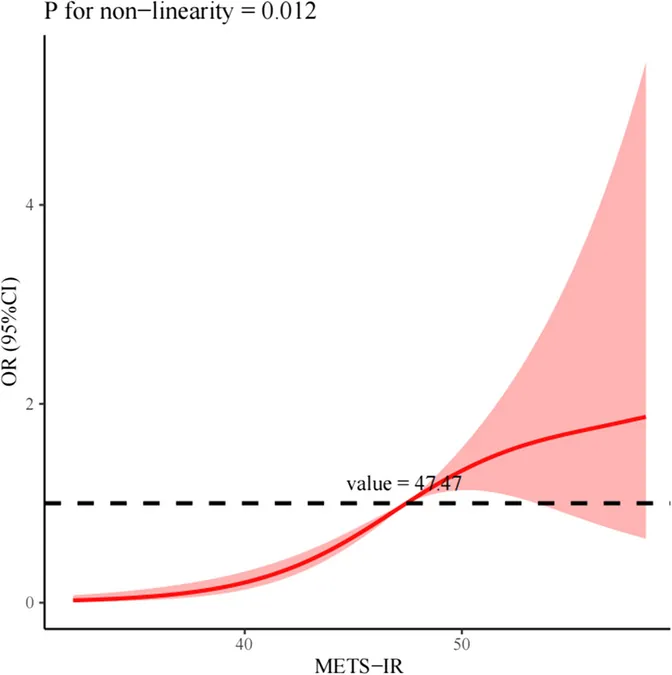
Results indicated that both the TyG Index and METS-IR correlate positively with the risk of developing NAFLD, solidifying their roles as effective diagnostic tools. A notable finding showed that as the levels of these indices increased, so did the likelihood of NAFLD occurrence. Specifically, individuals in higher quartiles of the TyG Index displayed a significantly increased risk.
The Predictive Power of TyG Index vs. METS-IR
A thorough ROC analysis demonstrated that both indices possess strong predictive capabilities for NAFLD, with METS-IR slightly outperforming TyG. The area under the curve (AUC) for METS-IR was 0.778, indicating it as a robust predictor. Sensitivity analyses further confirmed that while both indices serve as valuable tools in clinical practice, METS-IR showed improved sensitivity compared to TyG.
Implications for Clinical Practice: A Call to Action
With rising rates of OSA and NAFLD, clinicians must stay vigilant regarding the co-occurrence of these conditions. Regular screenings for NAFLD in OSA patients could facilitate early intervention, ultimately preventing progression to more severe complications. Moreover, due to their non-invasive nature and cost-effectiveness, both TyG and METS-IR indices should be integrated into routine clinical assessments.
Looking Ahead: Future Research Directions
This study opens doors for more in-depth examinations into the long-term outcomes of patients with OSA and NAFLD. Acknowledging the limitations inherent in cross-sectional studies, future research should emphasize longitudinal approaches to establish causality and explore the potential of these indices in diverse populations. Further analyses combining IR indices with other biomarkers could refine diagnostic accuracy, enhancing patient care.
 Brasil (PT)
 Canada (EN)
 Chile (ES)
 Česko (CS)
 대한민국 (KO)
 España (ES)
 France (FR)
 Hong Kong (EN)
 Italia (IT)
 日本 (JA)
 Magyarország (HU)
 Norge (NO)
 Polska (PL)
 Schweiz (DE)
 Singapore (EN)
 Sverige (SV)
 Suomi (FI)
 Türkiye (TR)
 الإمارات العربية المتحدة (AR)