Unveiling the Intriguing Link Between Autoimmune Liver Diseases and Systemic Rheumatic Disorders
2025-04-22
Author: John Tan
Autoimmune Liver Diseases: A Complicated Web
Autoimmune liver diseases (AILDs) represent a complex group of chronic conditions where the immune system mistakenly attacks the liver and bile ducts. Key players in this arena include autoimmune hepatitis (AIH), primary biliary cholangitis (PBC), and primary sclerosing cholangitis (PSC) — these can arise on their own or in intriguing overlap syndromes.
The Challenge of Systemic Rheumatic Disorders
Meanwhile, systemic rheumatic diseases (SRDs) like systemic lupus erythematosus (SLE), Sjögren syndrome, and rheumatoid arthritis also wreak havoc, potentially affecting multiple organs due to their autoimmune nature. Diagnosing these disorders often relies on a combination of clinical evaluations, historical context, and intricate autoantibody screening — think anti-nuclear antibody (ANA) tests and more.
A Troubling Connection: Liver Involvement in SRDs
Research reveals that up to 40% of SRD patients face liver complications, driven by various mechanisms including drug-induced liver injury and concurrent AILDs. This convergence paints a complicated clinical picture, complicating diagnosis and treatment.
Prevalence Insights: AILDs & SRDs
In a compelling study of 111 AIH patients, intriguing prevalence rates were discovered: rheumatoid arthritis in just 1.8%, Sjögren’s syndrome at 1.4%, and lupus a mere 0.7%. Conversely, liver biopsies from SRD patients unveiled a 5.6% PBC presence and 1.9% AIH confirmation, showcasing the intricate overlap.
Delving Into Prognosis
The interplay between AILDs and SRDs complicates prognostic outcomes. While the presence of autoantibodies can hint at disease progression, their exact implications for prognosis remain murky.
Study Design: Methodology Masters
The study incorporated 157 patients with AILDs from Emek Medical Center. By dividing them into two groups — those with SRDs and those without — researchers meticulously examined a plethora of clinical data spanning demographics, comorbidities, and laboratory tests, including liver function and autoimmune serology.
Diving into the Data: Findings and Observations
Results shone a light on unique demographic trends— a striking 78.9% of AILD patients were women, with a notable average age disparity between genders at diagnosis. Notably, the link between inflammatory bowel diseases (IBD) and PSC was stark, with 60% prevalence among PSC patients.
The Autoantibody Revelation
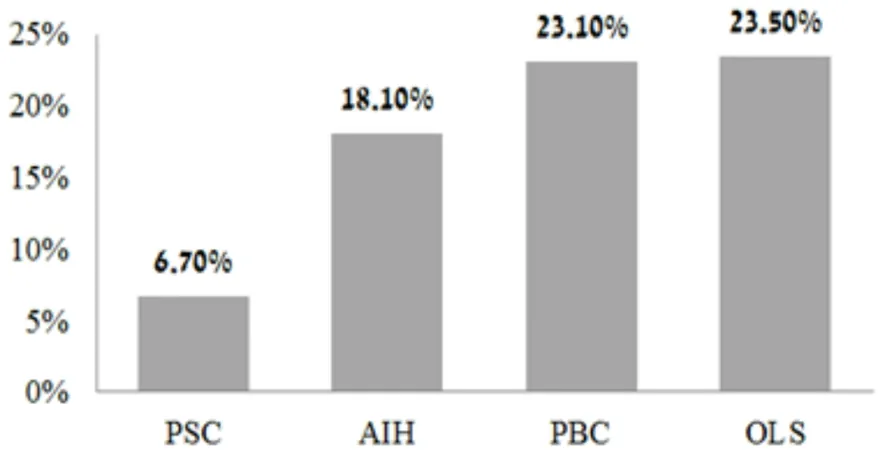
A significant discovery revealed that 75% of AILD patients tested positive for ANA, with the highest rates in AIH (88.2%). Furthermore, autoantibody positivity was markedly higher in patients with SRDs, challenging the perception that these markers only identified individuals with full-blown disorders.
Prognostic Implications: What's at Stake?
The stakes are high — patients with AILDs who also presented with autoantibodies faced a greater likelihood of requiring liver transplants compared to those without. However, despite this link, mortality rates between the groups showed no statistically significant differences.
Conclusions: A Call for Multidisciplinary Management
This study underscores the pressing need for more nuanced screening for SRD-related autoantibodies among AILD patients, which could pave the way for tailored treatment strategies. Emphasizing comprehensive care that addresses both liver health and systemic autoimmunity may be key to improving patient outcomes.
Looking Ahead: Genetic Insights
Furthermore, shared genetic factors highlight a fascinating overlap between SRDs and AILDs, shedding light on common pathways that influence immune responses. As research evolves, understanding these relationships could revolutionize how these interconnected diseases are approached in both clinical and genetic landscapes.

 Brasil (PT)
 Canada (EN)
 Chile (ES)
 Česko (CS)
 대한민국 (KO)
 España (ES)
 France (FR)
 Hong Kong (EN)
 Italia (IT)
 日本 (JA)
 Magyarország (HU)
 Norge (NO)
 Polska (PL)
 Schweiz (DE)
 Singapore (EN)
 Sverige (SV)
 Suomi (FI)
 Türkiye (TR)
 الإمارات العربية المتحدة (AR)