Urgent Call for Change: Combatting Malaria and Meningitis Deaths in African Children
2025-04-23
Author: Siti
A Shocking Crisis Unfolds in African Pediatrics
New research reveals a grave reality: one in four African children admitted to hospitals for malaria and coma are battling additional infections, compounding their risk of death. This alarming finding underscores the necessity for immediate changes in treatment protocols.
Groundbreaking Studies Shine a Light on Fatality Rates
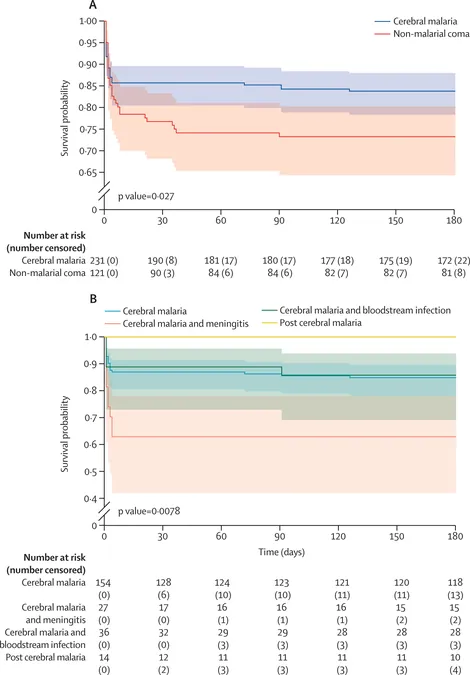
Published in *The Lancet Global Health*, these landmark studies represent the most extensive analysis yet on febrile non-traumatic coma in children across Africa. They reveal a stark truth: the death rate from malaria has stagnated over the past 50 years, with nearly 20% of affected children succumbing to the disease.
Understanding the Underlying Causes
In this in-depth investigation, researchers examined various causes of febrile coma, emphasizing that cerebral malaria and bacterial meningitis often masquerade under similar symptoms. Due to limited diagnostic resources, healthcare providers struggle to identify and effectively treat these life-threatening conditions.
A Call for Integrated Treatment Strategies
The second pivotal study conducted in Malawi highlights cerebral malaria as the leading cause of febrile coma, with over 25% of cases complicated by bacterial infections. Remarkably, the utilization of advanced molecular diagnostics reveals a predisposition to co-infections that significantly elevate the mortality risk.
Antibiotics Could Save Lives
Crucially, the research advocates for the urgent administration of antibiotics alongside antimalarials at the first signs of fever and coma, regardless of whether a malaria diagnosis is confirmed. Dr. Stephen Ray from the Oxford Vaccine Group emphasizes that misdiagnosis can lead to neglecting bacterial infections, which can ultimately be fatal.
Unearthing Hidden Damage: The Importance of Early Diagnostics
The study also utilized MRI technology to assess brain injuries in hospitalized children, finding that an astonishing 90% exhibited significant damage. Delays in surgical intervention for conditions like intracranial pus are contributing to severe long-term disabilities, affecting a whopping 50% of survivors.
A Call to Action for Health Reforms
Dr. Charlotte Fuller from the University of Liverpool stresses the importance of improving diagnostic and treatment protocols to better address life-threatening brain infections. She advocates for the widespread availability of affordable diagnostic tools throughout Africa.
A Future of Hope or Continued Neglect?
Based on a meta-analysis spanning five decades and thirty African nations, the data starkly illustrates that non-traumatic coma has led to higher mortality and disability rates in sub-Saharan Africa compared to wealthier regions. Professor Michael Griffiths, a senior researcher, demands urgent coordinated action from global leaders.
He makes a poignant conclusion: "It is unacceptable that childhood mortality rates from non-traumatic coma have remained unchanged for over fifty years. The time for action is now!"


 Brasil (PT)
 Canada (EN)
 Chile (ES)
 Česko (CS)
 대한민국 (KO)
 España (ES)
 France (FR)
 Hong Kong (EN)
 Italia (IT)
 日本 (JA)
 Magyarország (HU)
 Norge (NO)
 Polska (PL)
 Schweiz (DE)
 Singapore (EN)
 Sverige (SV)
 Suomi (FI)
 Türkiye (TR)
 الإمارات العربية المتحدة (AR)